
-
%20Neurodivergence%20and%20the%20Perimenopause%20%E2%80%93%2012%20May%202026.png)
(G144) Neurodivergence and the Perimenopause – 12 May 2026
CourseThis live webinar explores how menopausal hormonal changes can intensify sensory, cognitive, and emotional challenges for neurodivergent adults, why familiar coping strategies may suddenly become less effective, and how this impacts daily functioning
-
%20PANS%20PANDAS%20and%20Sensory%20Processing%20.png)
(G150) PANS/PANDAS and Sensory Processing
CourseAvailable to 21/5/27 – On-demand webinar. Gain the skills to recognise PANS/PANDAS flares, interpret sensory changes as early signals, and apply sensory-informed OT strategies that support regulation and participation through relapse and recovery.
-
%20PhD%20Research%20Update%20Supporting%20Parents%20of%20Children%20With%20Sensory%20Processing%20Differences%20-%202%20Jul%202026.png)
(G154) PhD Research Update: Supporting Parents of Children With Sensory Processing Differences – 2 July 2026
CourseLive webinar exploring how sensory differences affect children and mothers. Compare daily experiences for autistic and non-autistic children; identify what mothers find helpful; synthesise evidence to inform universal, targeted service provision.
Perimenopause and Sensory Processing Differences: Why Everything Feels Louder, Brighter and More Overwhelming
By Dr Lelanie Brewer, 29 April 2026
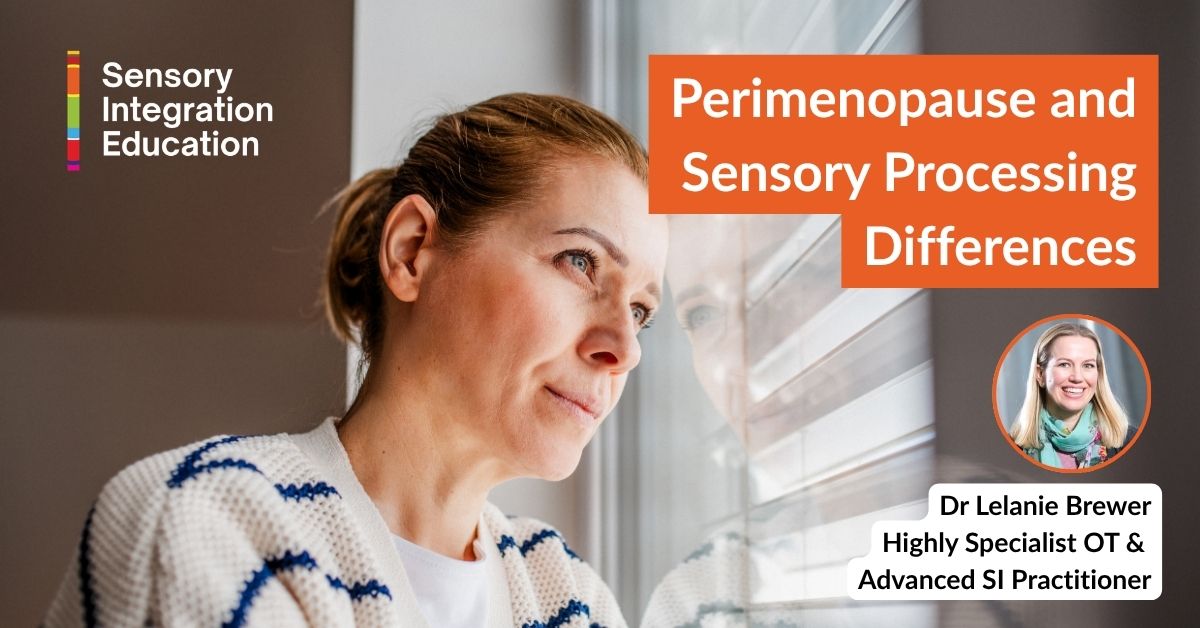
Perimenopause is commonly associated with hot flashes, irregular periods, and mood swings, but there is a lesser-known symptom that is gaining attention: sensory overload also known as sensory over-responsivity. Many women report that during perimenopause, everyday sensations become harder to tolerate (Tago et al., 2021). Sounds feel louder, lights feel harsher, and environments that were once manageable suddenly feel overwhelming. Many women also find that they are clumsier than before. If you are searching for answers about sensory processing changes during perimenopause, this blog explains what is happening and how to cope.
What Is Perimenopause?
Perimenopause is the transitional phase before menopause, during which hormone levels, especially estrogen and progesterone, fluctuate. It typically begins in your 40s, although it can start earlier, and may last anywhere from four to ten years. These hormonal shifts affect far more than reproductive health; they also influence the brain, nervous system, and the way sensory information is processed (Wegrzynowicz et al., 2025).
What Are Sensory Processing Differences?
Sensory processing refers to how the brain receives, organises, and responds to input from the environment, including sound, light, touch, smell, and taste. During perimenopause, many women experience increased sensitivity, where noise feels too loud, lights feel too bright, clothing becomes irritating, and smells feel overpowering. Less commonly, some may notice reduced sensitivity, where stronger input is needed to register sensations. While sensory processing differences are often associated with neurodivergence, such as ADHD or autism, hormonal changes can temporarily alter sensory experiences in anyone.
Why Does Perimenopause Cause Sensory Overload?
Hormones, particularly estrogen, play a crucial role in regulating neurotransmitters like serotonin and dopamine, which influence mood, attention, and sensory filtering. As estrogen levels fluctuate, the brain’s ability to filter out unnecessary sensory input becomes less efficient (Grant et al., 2025). This means background noise becomes harder to ignore, visual stimuli feel more intense, some clothing might suddenly feel uncomfortable and emotional responses to sensory input may be heightened. Many women describe this experience as if the volume of the world has been turned up.
Common Sensory Differences in Perimenopause
Noise sensitivity is a frequently reported change, with busy environments such as restaurants, offices, or public transport becoming increasingly difficult to tolerate. Light sensitivity is also common, with bright lighting, screens, or fluorescent bulbs causing discomfort, headaches, or fatigue. Tactile sensitivity can make clothing that once felt comfortable suddenly feel itchy or restrictive, with seams and textures becoming particularly irritating. Heightened sensitivity to smell may cause perfumes, cleaning products, or cooking scents to feel overwhelming or even nauseating. Temperature sensitivity, often combined with hot flashes, can make even small changes in temperature feel extreme and difficult to regulate (Grant et al., 2025).
Many women also notice increased clumsiness, like dropping things, tripping, or bumping into objects, during perimenopause and menopause. While ageing in general affects coordination and reaction time in everyone, hormonal changes play an additional role in women. Estrogen, particularly estradiol, is crucial for brain function, including coordination, fine motor skills, spatial awareness, and cognition. As estrogen levels decline during menopause, these functions can be disrupted, leading to poorer balance and coordination. Progesterone also contributes to motor skills and spatial performance, so its decline can have similar effects.
Perimenopause and Neurodivergence
For neurodivergent women, particularly those who are autistic or with ADHD, perimenopause can amplify existing sensory differences (Dangmann, 2023). Coping strategies that once worked may no longer be sufficient, leading to increased overwhelm, burnout, and reduced tolerance for social or work environments. In some cases, women only begin to recognise their sensory differences during perimenopause, which can lead to late identification or diagnosis of neurodivergence.
How to Manage Sensory Overload During Perimenopause
Managing sensory overload during perimenopause involves reducing unnecessary stimulation and supporting the nervous system. Creating a calmer environment can make a significant difference, whether that means using noise-cancelling headphones, switching to softer lighting, or limiting time in busy spaces. Adjusting your surroundings by decluttering and designing a low-stimulation home environment can help reduce visual and mental overload. Wearing soft, breathable clothing and avoiding irritating fabrics or tight seams can improve comfort throughout the day. Activities that provide proprioceptive input, like yoga, can also help with sensory regulation.
Equally important is building recovery time into your routine. Sensory overload tends to accumulate, so regular breaks in quiet, low-stimulation settings can help reset your nervous system. Supporting your body through hydration, balanced nutrition, and medical guidance where needed can also play a role in your wellbeing.
Is Sensory Overload During Perimenopause Normal?
Although it is not always widely discussed, sensory overload during perimenopause is a normal and biologically driven experience. These changes are not an overreaction but a direct result of hormonal fluctuations affecting brain function. Understanding this can help reduce self-doubt and encourage more supportive coping strategies.
When to Seek Help
If sensory changes are significantly affecting your daily life, it may be helpful to seek professional support. Speaking with a GP or menopause specialist can provide guidance on hormonal and medical options, while occupational therapy may offer practical strategies for managing sensory differences that impact on participation in daily life. For those who suspect underlying neurodivergence, seeking informed assessment or support can also be beneficial.
Final Thoughts: You’re Not Imagining It
If perimenopause has made the world feel louder, brighter, or more intense or you feel clumsier, there is a clear biological reason behind it. Understanding perimenopause sensory processing differences allows you to adapt your environment, protect your energy, and navigate this transition with greater awareness and control. By recognising these changes, you can move away from self-criticism and towards practical, compassionate support.
Dr Lelanie Brewer
Highly Specialist Occupational Therapist, Advanced Sensory Integration Practitioner, PhD, MScOT, BSc, FHEA
References
Sensory Integration Education is a leading UK provider of postgraduate and CPD training in sensory integration. Our postgraduate courses are accredited by Sheffield Hallam University.
Check Out Our Upcoming Live Training Events
You can purchase individual events or get access to a whole year of CPD events with a Lifelong Learning Programme subscription.
