
EmphaSIze January 2026: Getting Back into Everyday Routines
By Sensory Integration Education, 14th January 2026
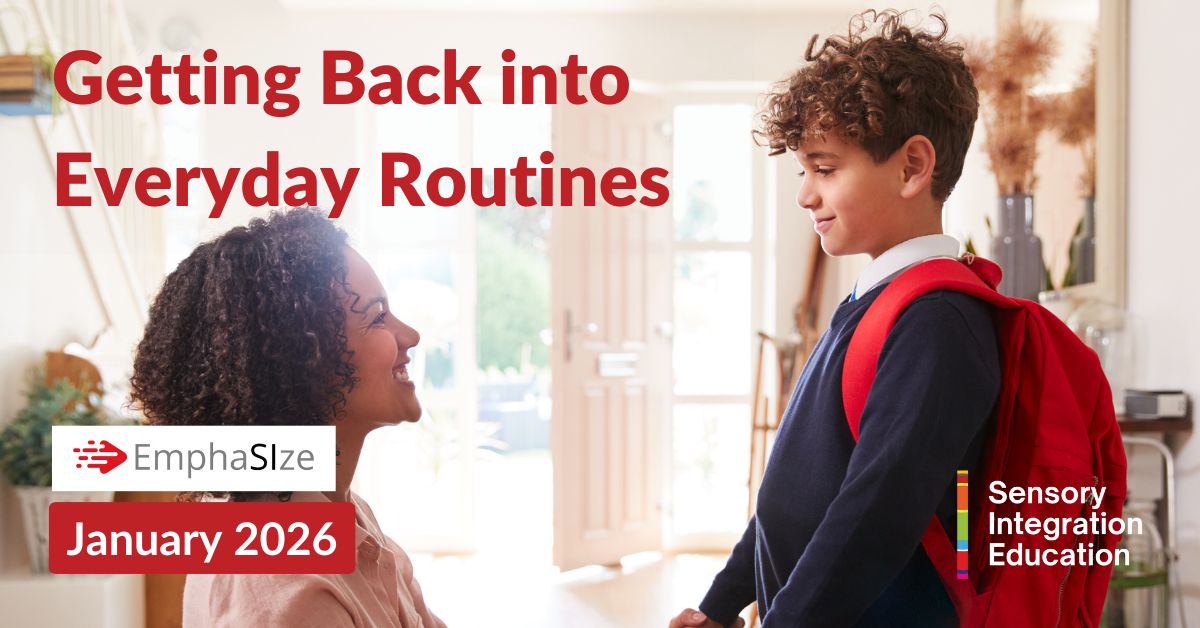
Welcome to the January issue of EmphaSIze where this month we're focusing on Getting Back into Everyday Routines!
While the new year can be an exciting time, for individuals with sensory processing differences, it can be anxiety-provoking as it brings its own challenges with a return to work and school, planning new activities for the year ahead and changes to routines.
In this month's newsletter, we've put together useful information, news articles, books and product ideas to help support individuals with sensory differences who are struggling to get back into their everyday routines.
Also if you work in a school setting or know someone who does, we have a free guide Spot the Signs: Sensory Processing Differences in the Classroom available on our sister site Sensory Inclusive Schools which shares realistic classroom case studies from Reception to Year 11. Read the article below to find out more!
Wishing you a happy, healthy and fulfilling 2026!
News & Features
Shaping Confident Sensory Integration Practice: Introducing the SIE 2026 Postgraduate Pathway 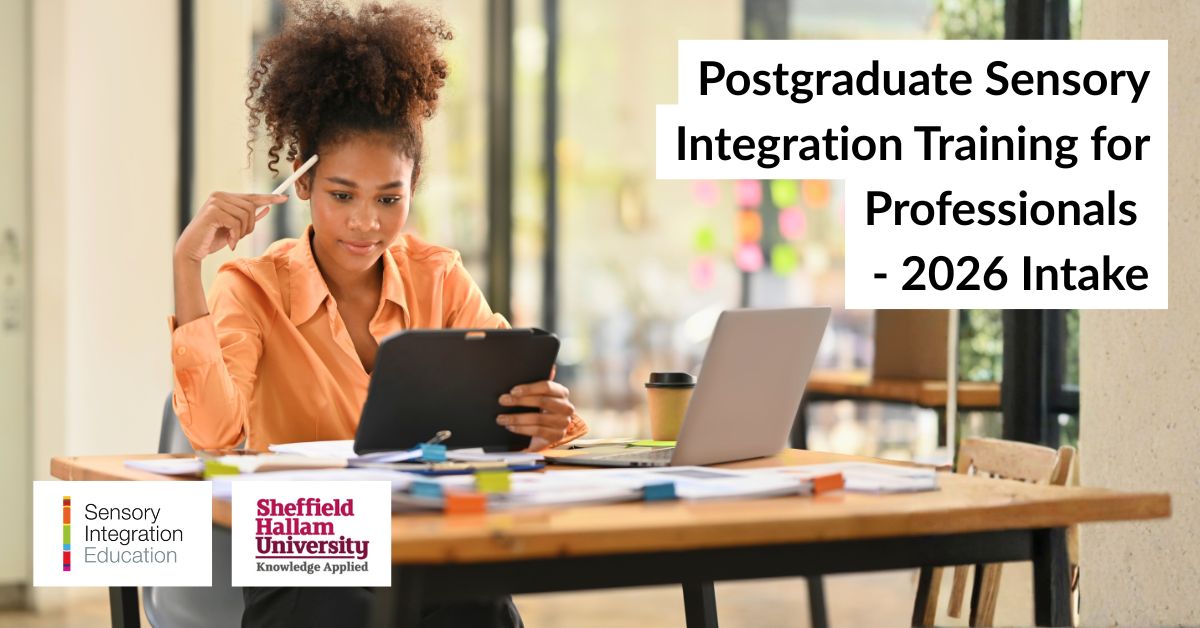
SIE’s 2026 Sensory Integration Postgraduate Pathway has been thoughtfully designed to support busy professionals through a structured, well-paced and highly supported learning journey.
Drawing on over 30 years of experience, the pathway offers a clear progression from foundational learning to confident, ethical application of Ayres Sensory Integration (ASI) in practice. It blends evidence-based theory with meaningful, real-world application, supported by online learning, live sessions, workshops, and dedicated eMentors.
Accredited by Sheffield Hallam University, the pathway supports learners across diverse settings and professions, with expanded entry criteria welcoming a broader range of health and social care professionals.
Curious to find out how our Postgraduate Pathway can help you make a lasting, positive impact through sensory integration–informed practice?
Read our latest blog to find out more.
Starting a New Year When You Have Sensory Differences
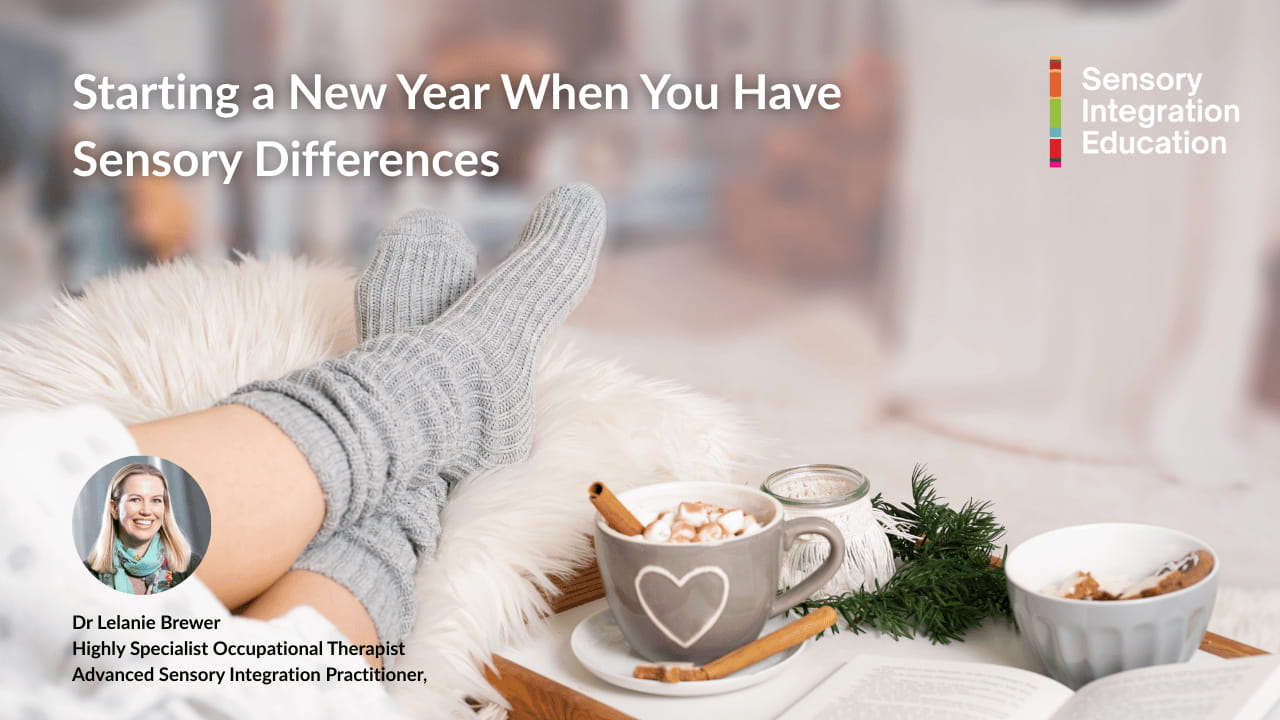
Dr Lelanie Brewer’s latest blog highlights how January’s push for fresh starts and productivity can be particularly challenging for individuals with sensory processing differences, including autistic people and those with ADHD.
Rather than feeling renewed, many are still recovering from holiday sensory overload, disrupted routines, environmental changes, darker days, and increased executive function demands.
In her blog, Lelanie encourages a sensory-friendly start to the year and highlights some gentle supportive approaches to honour our sensory needs.
Spot the Signs: A Free Guide to Understanding Sensory Processing Differences in the Classroom
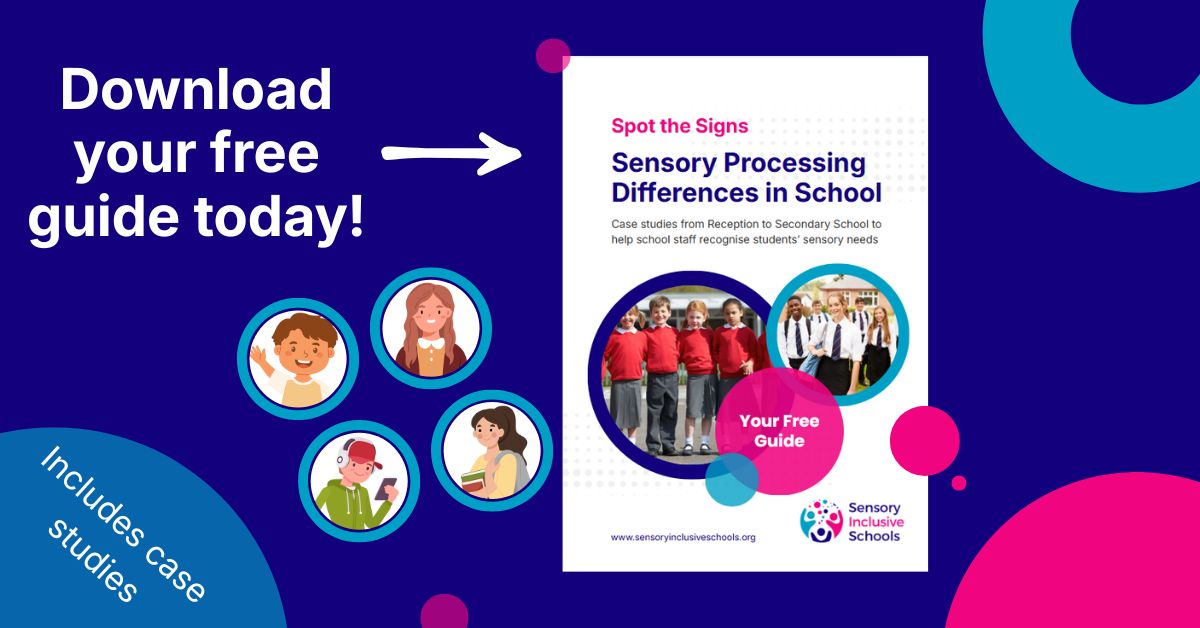
Available on our sister website Sensory Inclusive Schools, this free guide shares realistic classroom case studies from Reception to Year 11. Each story includes reflection prompts to help staff notice how sensory differences can affect learning, behaviour and participation.
It’s a practical, easy way to start understanding students’ sensory needs—and it’s free!
If you know anyone working in a school setting who could benefit from this guide, please share!
Also see:
My daughter helped shape new autistic Barbie doll
Support at your fingertips: Wirral Neurodiversity Hub goes live
How neurodivergent households design ‘a home that knows your brain’
Specsavers Malton offers out-of-hours service for patients who experience sensory overload
5 unique features of AuDHD in women
Website tackles dental health of autistic children
Upcoming Courses and Webinars

We have a number of live webinars that take place throughout the year covering a broad range of SI-related topics. Below is a snapshot of webinars happening in the first few months of 2026 or click here to view a summary of all the upcoming live events.
All these webinars are available to you by signing up to our Lifelong Learning Programme or can be purchased as individual courses:
Ø Embodied Reasoning for Paediatric Occupational Therapists – 6 February 2026
Ø Sensory Integration and Burnout in ADHD – 18 February 2026
Ø (Sensory Spotlight Talk) Postural Control and Reflexes in Sensory Integration – 3 March 2026
Ø Viewing Eating and Drinking Through a Sensory Lens – 23 March 2026
Ø Advancing Sensory-based OT Through Play, Relationship and Embodiment – 15 April 2026
Ø Sensory Integration and Deafness – 29 April 2026
SI Research Digest
Below are links to the most popular sensory integration and sensory processing research papers and findings published on our social channels last month:
This new study investigated sensory differences in adults with Misophonia. The findings suggest that sensory over-responsivity may be a central characteristic of Misophonia. Notably, 80% of participants with misophonia reported heightened sensitivity in at least one sensory modality beyond hearing, with tactile and olfactory sensitivities emerging most frequently.
Impact of Interoception and Multisensory Integration on Functional and Physical Activities in Aging
This new study examined whether interoception and multisensory integration predict physical functioning in older versus younger adults. Within the older adult group (age 58-87 years), interoceptive sensibility, interoceptive awareness, and multisensory temporal resolution were significant predictors of physical functioning. Better interoceptive sensibility and awareness were associated with enhanced functioning, whereas poorer temporal resolution corresponded with reduced physical abilities.
The Relationship Between Motor Development and ADHD: A Critical Review and Future Directions
This review highlights the strong behavioural and neurological links between motor difficulties and ADHD, arguing that motor challenges should be understood as a core feature of the condition rather than a secondary issue. Using a dynamical systems perspective, the researchers propose that motor and cognitive difficulties in ADHD arise from shared disruptions in sensorimotor processes and environmental exploration. These disruptions shape how children interact with, learn from, and adapt to their environments, suggesting that motor and attentional difficulties co-emerge rather than existing in a simple cause-and-effect relationship.
This new study investigated the combined influence of core ADHD symptoms and sensory processing patterns on executive functioning in adults with ADHD compared to healthy controls. Findings revealed a complex, interactive relationship between ADHD symptom dimensions, sensory profiles, and executive functioning. Using a comprehensive cognitive assessment battery, the study demonstrated that certain sensory processing patterns can either exacerbate or mitigate executive function (EF) difficulties when occurring alongside specific ADHD symptoms. For example, elevated sensation-seeking in combination with inattention or hyperactivity was associated with poorer working memory and inhibitory control.
Resources
Take a look at our books and product recommendations for this month:
Sensory and Motor Strategies: Practical Ways to Help Autistic Children and Young People Learn and Achieve: For anyone working with autistic children, this book by Corinna Laurie sets out practical strategies to help autistic children develop their sensory and motor skills. The book will help you to identify possible challenges, recognise signs of overload and work in a co-productive way with your student or client, developing sensory regulation strategies and improving motor skills to aid well-being.
I've got you!: Written by Vicki Jones, a mum to two unique boys, this is a useful book for children finding their way in the world. It explores coping strategies for big emotions and sensory challenges, especially relevant for children who are neurodivergent such as those with autism and/or ADHD.
The book is written in clear and accessible language, providing valuable insights not only for neurodivergent children navigating their daily challenges but also for their siblings and classmates to better understand neurodivergence. It's a useful resource for home, school and therapeutic settings and has been designed to encourage conversations and foster understanding, tolerance and kindness among both children and adults.
Sensory Self Cards: The Sensory Self cards are a beautifully designed, symbol-supported tool to help young people explore and express their sensory preferences and sensitivities. Created by Dr. Eleanor Tomlinson, a Chartered Educational and Child Psychologist, in collaboration with young people, this resource empowers children and teens to talk about how the world feels to them — in a way that’s accessible, affirming and age-appropriate.
'Move Your Body' Fun Deck: Roll like a log, stand like a flamingo and do a long jump! This 'Move Your Body' Fun Deck is a set of 58 illustrated activity cards, highlighting ways to improve children's strength, balance, coordination and motor planning. Ideal for use at home or in school, fun and colourful characters lead children through a variety of movement activities and skills, helping children get the sensory input their bodies need
Discounts & Special Offers

Please quote DISCOUNT CODE SIE20 for 10% discount on Southpaw orders up to £100. Orders must be placed by phone on +44 (0) 115 718 0020.
Would you like to receive EmphaSIze: The Sensory Integration Newsletter in your inbox? JOIN SIE FREE TODAY
Best wishes,
Sensory Integration Education
NB: Sensory Integration Education is not responsible for the content on external websites. Sharing a resource does not imply endorsement by Sensory Integration Education.
