Yoga as a Therapeutic Tool for Children with Sensory Processing Differences
By Mel Campbell, Paediatric OT, Advanced Sensory Integration Practitioner & Yoga Teacher

Yoga is increasingly recognised as a complementary therapeutic approach for children and young people with sensory processing differences. Through breathing, movement, posture, relaxation and mindful awareness, yoga can support self-regulation, attention, body awareness, coordination and emotional wellbeing.
Yoga incorporates breathing techniques (pranayama), physical postures (asana), relaxation, and meditation, supporting body awareness, movement, mindfulness, and emotional regulation.
Research suggests that the combination of movement, posture control, breathing, and relaxation activates multiple sensory pathways and stimulates the parasympathetic nervous system, helping to restore balance within the autonomic nervous system.
However, yoga does not simply relax the body; studies indicate it may also influence brain function and structure over time, supporting concentration, working memory, emotional regulation, sleep, and stress reduction, while helping to reduce anxiety.
Yoga may also help reduce impulsivity, hyperactivity, and fidgeting while supporting attention, engagement, and self-regulation, promoting a greater sense of calm and readiness for learning (Campbell M, Martin S, 2017; Cohen et al, 2018).
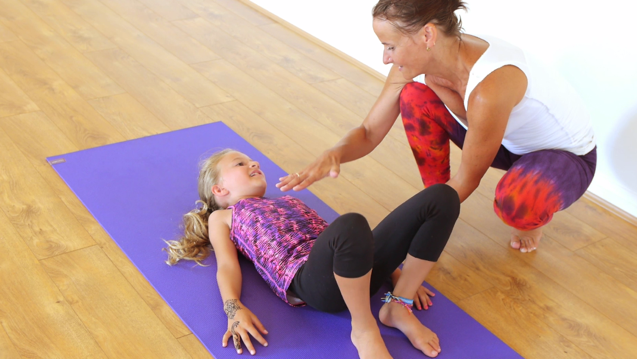
Understanding Sensory Processing Differences
As an Occupational Therapist, Advanced Sensory Integration Practitioner and yoga teacher with over 20 years’ experience, I have become increasingly interested in the therapeutic benefits of yoga for children and young people with sensory processing differences.
Sensory experiences are deeply personal and shape how we respond to the world, influencing temperament, behaviour, and self-expression. While everyone processes sensory information differently, some individuals may be under- or over-responsive to sensations such as noise, movement, touch, or busy environments.
These differences can affect emotional regulation, body awareness, coordination, learning, relationships, confidence, and participation in everyday life. Some may appear anxious, constantly active, emotionally reactive, or withdrawn, while others may avoid sensory experiences altogether.
How Yoga Supports the Sensory Systems
Yoga offers rich sensory and motor experiences that support all eight sensory systems. The five external senses — sight, sound, touch, taste, and smell — help us understand and respond to the environment around us. The three internal sensory systems — vestibular, proprioceptive, and interoceptive — support balance, movement, body awareness, coordination, and the ability to recognise internal bodily sensations and emotional states.
Through movement, balance, stretching, breathing, and relaxation, yoga helps integrate and organise these sensory systems. Yoga postures and movement stimulate the vestibular system, supporting balance and spatial awareness, while weight-bearing and resistance-based poses activate the proprioceptive system, helping children develop body awareness, coordination, motor planning, and postural control.
Developing Interoception and Self-Regulation Through Yoga
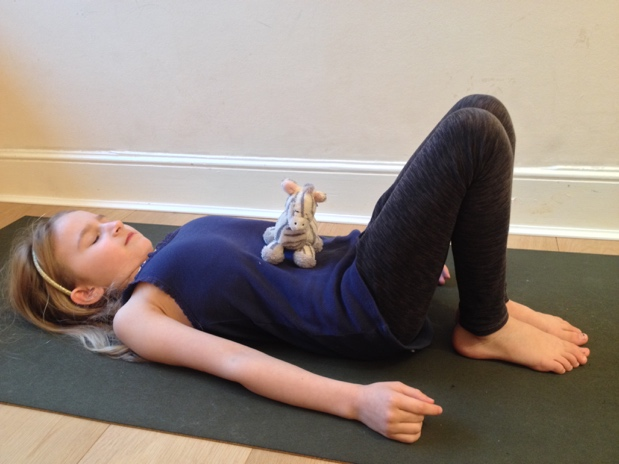
Mindful movement, breathing exercises, and relaxation practices also support the development of interoception by helping children notice how their body feels both during and after activity.
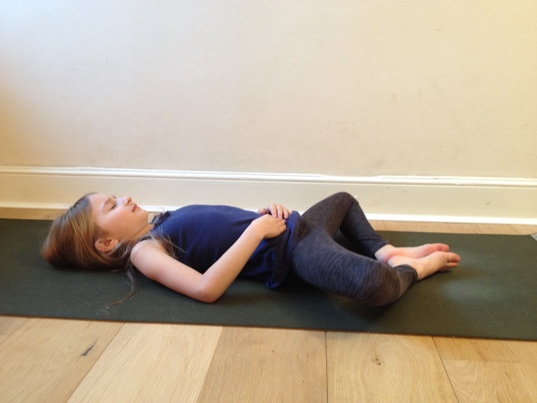
Over time, individuals become more aware of internal body sensations such as breathing, muscle tension, heart rate, balance, and emotional states. This growing self-awareness strengthens their ability to recognise and respond to sensory and emotional needs, supporting the development of self-regulation. Yoga provides calming and organising sensory input while teaching strategies for managing arousal, attention, emotions, and behavioural responses to everyday experiences.
Creating Inclusive and Adaptable Yoga Experiences
One of the greatest strengths of yoga is that it is adaptable and inclusive. It is non-competitive and can be modified to meet an individual’s sensory, emotional, and physical needs. Yoga can be practised individually, within therapy sessions, at home, or in schools, creating opportunities for connection, movement, emotional safety, and self-expression.
By adapting the visual, tactile, auditory and olfactory elements of a yoga session to each child’s sensory profile, practitioners can create a safe, predictable and supportive environment.
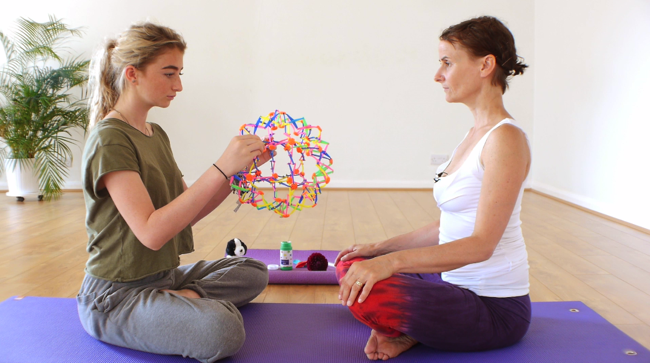
Soft lighting, calming colours, visual schedules, demonstrations, and mindful focus activities can support the visual system and help individuals feel more organised and secure within the environment. Tactile experiences may include the use of yoga mats, textured props, weighted blankets, grounding activities, or hands-on breathing tools such as an expandable ball.
Auditory input can be carefully adapted through the use of calming music, rhythm, chanting, breathing sounds, or moments of silence to support attention, regulation, and relaxation. Likewise, gentle scents such as lavender or citrus may be incorporated to create a certain regulating sensory atmosphere, where appropriate and tolerated.
Yoga as Part of a Holistic Therapeutic Approach
While further research is still needed to strengthen the evidence base, current findings suggest yoga can be a valuable complementary tool alongside occupational therapy and sensory integration approaches. Most importantly, yoga provides children with opportunities to reconnect with their bodies, develop self-awareness, build resilience, and experience success in a supportive and meaningful way.
By Mel Campbell
Mel is an independent specialist paediatric Occupational Therapist, Advanced Sensory Integration Practitioner and yoga teacher based in Sussex, UK.
She has been teaching and practising yoga for over 20 years and brings to her practice the understanding of how yoga can support children and young people with sensory processing differences. Mel has produced a Sensory Processing Yoga DVD, training and workshops. Visit her website to find out more: www.yogawithmelcampbell.com.
References
Campbell M, Martin S. (2017). Exploring yoga as a sensory based intervention for children with sensory processing difficulties: a systematic literature review. MOJ Yoga & Physical Therapy, 2(4), 101–108. DOI: 10.15406/mojypt.2017.02.00028.
Cohen, S.C.L., Harvey, D.J., Shields, R.H. et al. (2018). Effects of Yoga on Attention, Impulsivity, and Hyperactivity in Preschool-Aged Children with Attention-Deficit Hyperactivity Disorder Symptoms. Journal of Developmental & Behavioural Pediatrics, 39(3), 200–209.
Copyright © Mel Campbell, 2026. All rights reserved. Permission must be obtained before downloading, reproducing, sharing, publishing or using any of the images in this blog.
Interested in integrating yoga-based practices into mental health and forensic care?
Join Mel for a special virtual full-day course