
EmphaSIze July 2026: How Sensory Differences Shape Eating Experiences
By Sensory Integration Education, 6th July 2026
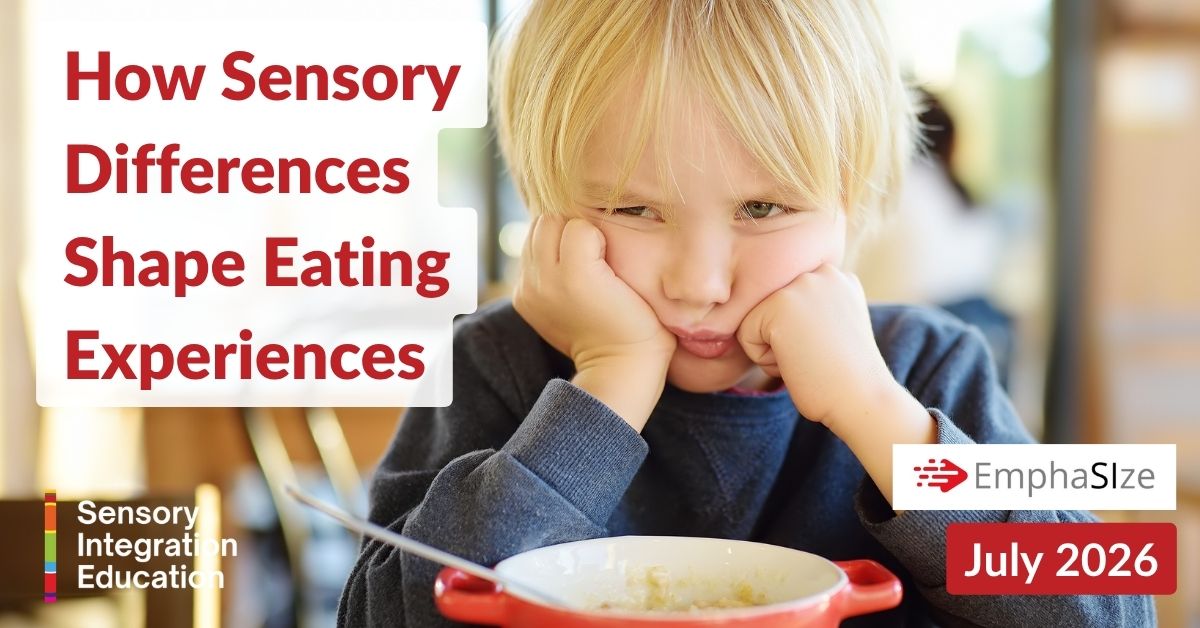
Welcome to the July issue of EmphaSIze where this month we're focusing on How Sensory Differences Shape Eating Experiences.
Eating is something many of us take for granted, yet it is one of the most complex sensory activities we perform every day. From the smell of food and the sound of crunching, to texture, temperature, taste, movement and body awareness, successful eating relies on every sensory system working together. When sensory processing differs, mealtimes can become challenging, stressful or even overwhelming rather than enjoyable.
In this month's issue, we've brought together a collection of articles, practical resources, research and professional insights exploring the many ways sensory processing influences eating across the lifespan.
Whether you're supporting a young child with feeding challenges, working alongside teenagers or adults with sensory differences, or considering how ageing affects eating experiences, we hope these resources provide valuable knowledge, practical strategies and fresh perspectives to support more positive, sensory-informed mealtimes.
News & Features
3 Things Impacting Eating Skills - Apart from Food Preferences
This blog explores three often-overlooked factors that can significantly impact a child’s eating skills beyond food preferences and selectivity. Drawing on occupational therapy and developmental principles, it highlights the important roles of postural control, gross and fine motor development, and the sensory environment in supporting successful mealtimes.
Through practical examples and easy-to-implement strategies, the article helps clinicians and families recognise signs that eating difficulties may stem from underlying motor or sensory challenges rather than behaviour alone.
Live Webinar: Understanding Eating Disorders Through a Sensory Lens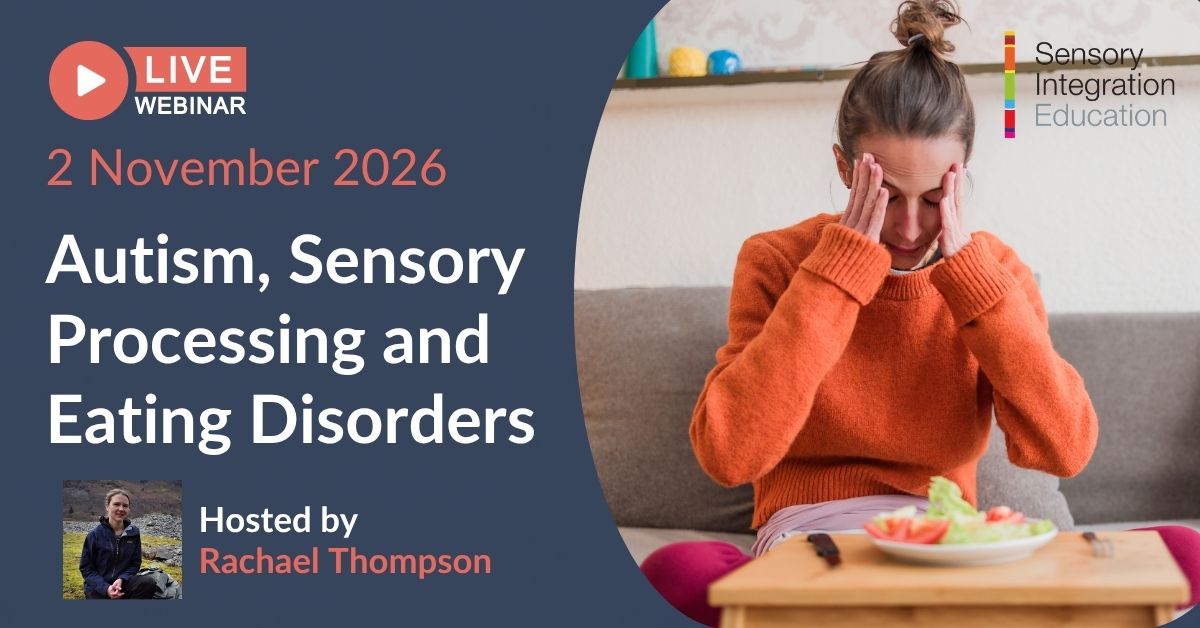
Join Rachael Thompson on 2nd November for this live webinar exploring the clinical relationship between autism, sensory processing and restrictive eating disorders. Drawing on lived experience and more than 20 years of professional practice supporting autistic individuals, Rachael will examine how sensory and interoceptive processing differences can influence body image, food restriction and eating behaviours across the lifespan.
Using a biopsychosocial framework, the webinar will consider predisposing factors, onset, maintenance and recovery in conditions including ARFID and anorexia nervosa, while also addressing the impact of co-occurring anxiety and obsessive–compulsive disorder. Participants will gain a deeper understanding of the function of eating behaviours and how sensory-informed approaches can contribute to compassionate, effective support and recovery.
This webinar is free to attend as part of the SIE Lifelong Learning programme or available for £69 for non-SIE Lifelong Learning members.
Interoceptive Awareness: What is it and Why is it Important?
Interoception plays a vital role in how individuals recognise, interpret, and respond to their internal body signals, influencing everything from physical health and self-regulation to emotional wellbeing and participation in daily life.
This insightful blog explores what interoceptive awareness is, the challenges that can arise when these internal signals are misunderstood or missed, and the far-reaching impact this can have on behaviour, mental health, and functional outcomes such as knowing when to eat.
Read the full blog to find out more.
30 Years of SensorNet: Celebrating the Past, Present and Future of Sensory Integration
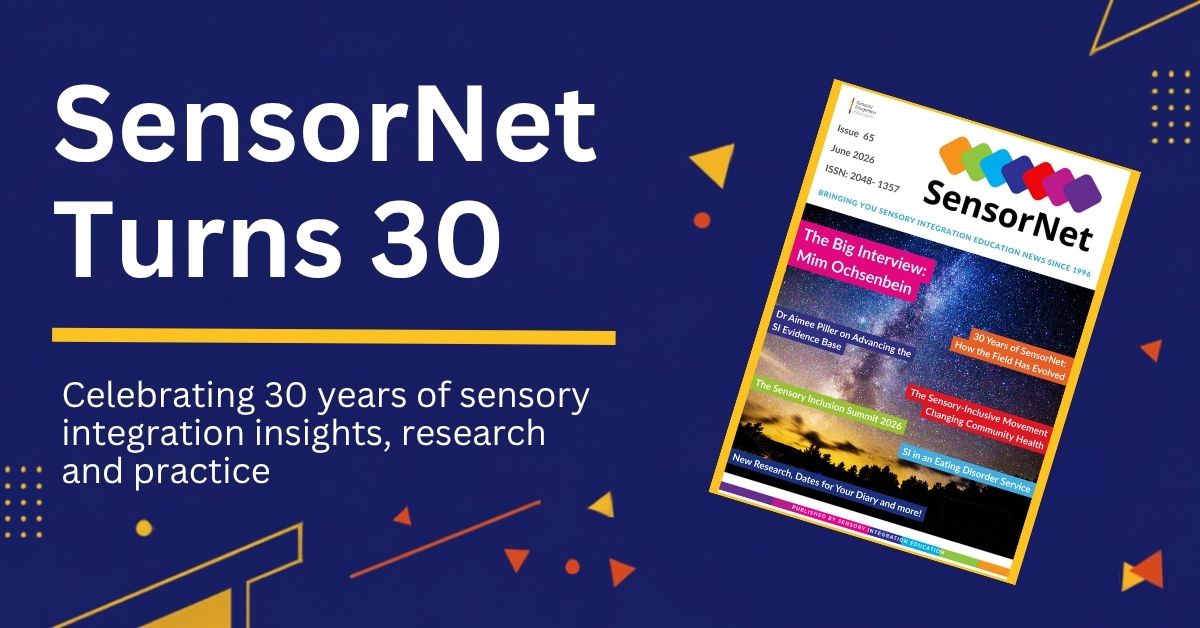 The latest issue of SensorNet is out – and it’s a special one as it celebrates its 30th birthday!
Packed with inspirational and practical content, this issue takes a look at how far the field of sensory integration has come and reflects on six major shifts that have shaped the profession, from evolving language and expanding practice beyond the clinic to embracing person-centred, evidence-informed approaches.
Enjoy interviews with Mim Ochsenbein and Liz McWilliam, revisit inspiring conversations with leading experts including Dr Shelly Lane, Dr Anita Bundy, Dr Georgia DeGangi and Professor Liz Pellicano and explore the latest research on ADHD, autism, ARFID and more.
If you’re a SIE Lifelong Learning member, you can read it for free by logging into your dashboard.
Find out more about what’s inside this special anniversary issue.
A Day in the Life of a Child with Sensory Processing and Integration Differences
Our Day in the Life of…. stories illustrate how people living with sensory differences across the lifespan may find those differences impacting their day-to-day lives.
Here we focus on Ben, a bright and curious 10-year-old who experiences differences in sensory processing and integration. These differences can affect how he responds to the world around him and as a result, his behaviour is sometimes misunderstood by family, teachers and friends.
To understand how sensory processing and integration differences - such as sensitivity to food, textures and noise, emotional regulation, vestibular processing difficulties and motor planning - can shape a child’s everyday experiences, let’s take a look at a typical day in Ben’s life.
Make Summer More Sensory-Friendly with Our Free Sensory Survival Kit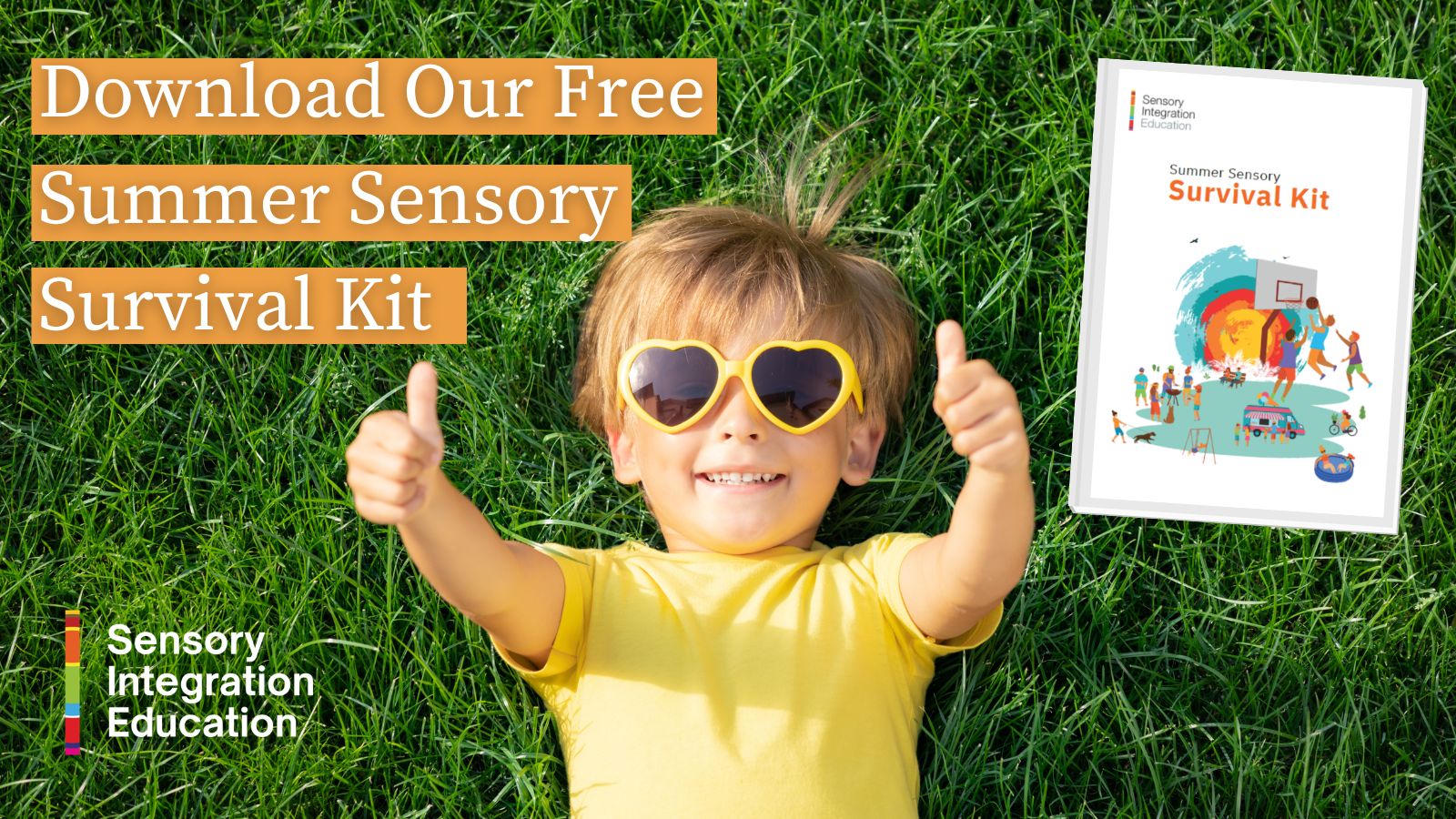
Summer brings plenty of opportunities for fun, adventure and relaxation – but it can also present unique sensory challenges. Changes in weather, longer daylight hours, disrupted routines, outdoor eating, travel, and unfamiliar holiday accommodation can all impact those with sensory processing differences.
Our free Summer Sensory Survival Kit is packed with practical tips, strategies and ideas to help make the season more enjoyable and manageable. From navigating summer foods and outdoor dining to travel tips, regulating energy levels, and surviving the school holidays, you'll find plenty of sensory-informed information to help the children and families you support thrive this summer.
Download your free copy today and get ready for a more sensory-friendly summer.
Also see:
Picky Eating: What’s Normal and What’s Not
What Is ARFID in Adults? Key Signs to Know
A healthy diet may still make a difference for people at higher risk of dementia
Children bring sensory differences to life through new school animation
'I was labelled lazy at work but I was in sensory hell'
Upcoming Courses and Webinars

We have a number of live webinars that take place throughout the year covering a broad range of SI-related topics. Below is a snapshot of webinars happening in the first few months of 2026 or click here to view a summary of all the upcoming live events.
All these webinars are available to you by signing up to our Lifelong Learning Programme or can be purchased as individual courses:
- Sensory Focused Assessment to Drive Functional Outcomes: From Impact Statements to Goal Attainment – 14 July 2026
- Designing ASI Spaces – 8 September 2026
- Interoception and Developmental Trauma - 24 September 2026
- From Research to Practice: Enhancing Parent Education in Sensory-based Practice - 8 October 2026
Plan Your CPD This Summer with SIE’s Lifelong Learning Webinar Replay Offer

Coming up in August we have our popular LLP Webinar Replay Month where all LLP members will have the opportunity to revisit some of the most popular webinars from the first half of the year—or catch up on sessions they may have missed.
It’s the perfect opportunity to refresh your knowledge, revisit key concepts and continue your professional development at your own pace. Simply login into your dashboard at the start of August and search 'Summer CPD'!
Find out what’s included in the SIE Lifelong Learning Webinar Replay Offer.
SI Research Digest

Below are links to the most popular sensory integration and sensory processing research papers and findings published on our social channels last month:
Findings from this new systematic review suggest a significant association between sleep disturbances and sensory processing differences in autistic children and adolescents. Insomnia symptoms and night wakings were most consistently linked with sensory sensitivity and avoidance, particularly within tactile and vestibular domains. Current evidence supports a meaningful relationship between sleep and sensory functioning in autism, although further longitudinal and intervention-based research using objective assessment measures is needed to clarify causality and therapeutic implications.
This new study adds to growing evidence that sensory processing differences are a common aspect of the autistic experience in early childhood and are closely associated with maternal caregiver burden. Importantly, caregiver wellbeing was influenced not only by autism characteristics, but also by co-occurring sensory differences and parental mental health. These findings highlight the value of family-centred approaches that recognise and support autistic sensory needs while attending to the wellbeing of caregivers.
A new systematic review and meta-analysis found that individuals with obsessive compulsive disorder (OCD) exhibit significantly elevated sensory over-responsivity (SOR)—defined as heightened distress in response to ordinary sensory stimuli in comparison to individuals without OCD. Findings suggest that atypical sensory processing may represent a clinically relevant feature of OCD, warranting further investigation across broader clinical populations.
Sensory Processing Differences: A Practical Overview
Sensory processing differences influence how individuals perceive, interpret, and respond to sensory information, with significant implications for participation, emotional regulation, motor coordination, learning, and daily functioning. This new article examines the role of the eight sensory systems in shaping occupational performance and highlights evidence-informed approaches, including environmental adaptations, personalised sensory supports, participation-focused interventions, and interoception development. Adopting a strengths-based and individualised perspective can enhance understanding of sensory diversity and promote meaningful engagement across home, school, and community contexts.
Resources
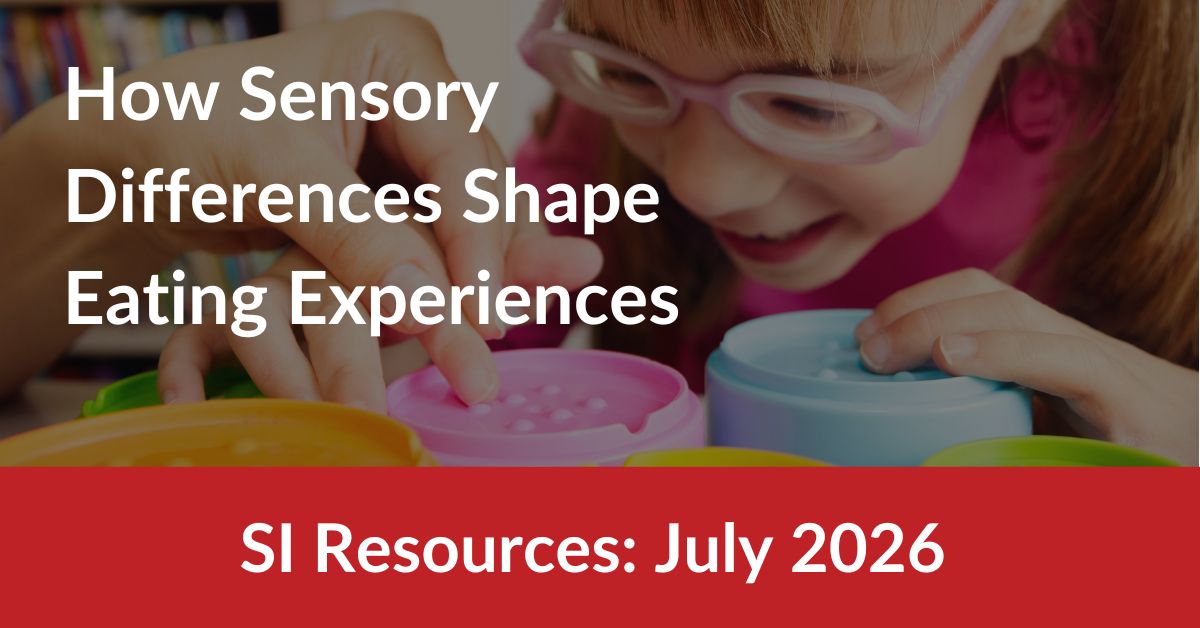
Take a look at our books and product recommendations for this month:
Eating Disorders Don’t Discriminate: This book brings together a diverse range of stories about people living with an eating disorder, each tackling the stereotypes and misconceptions about what eating disorders look like and who they impact.
Athletes, activists, directors, models, health professionals, and more share their experiences of eating disorders, including binge eating disorder, bulimia nervosa, anorexia nervosa, ARFID and OSFED, and highlight the complexities of how race, gender, culture and social media can influence our experiences of body and food.
The Autistic Teen's Avoidant Eating Workbook: Food can come with all sorts of challenges - sensory issues, social pressure, loss of control - and so making choices about what foods to eat, and coping with mealtimes can be stressful - especially when other people are involved.
This guide helps teens and young people recognise the signs of avoidant eating, cope with food-related anxieties and manage sensory overload, as well as the particular social stresses of communal eating. With top tips, a progress tracker, quizzes and worksheets, it’s an engaging and informative resource for teens and parents alike.
Food Refusal and Avoidant Eating in Children, including those with Autism Spectrum Conditions: Many autistic children have a restricted dietary range, and this book provides parents and professionals with advice and training on how to support them to achieve a healthier and more balanced diet. The book enables readers to understand restrictive eating and work with children, gradually increasing the range of food a child is able to eat.
ARK Z-Spoon Sensory Feeding Tool: This spoon provides oral motor stimulation to the lips, tongue, cheeks and jaw. Its smooth, gentle vibrations help to wake up the mouth, increase awareness and can decrease oral sensitivities and food aversions, helping children transition from puree to textured foods.
ARK Grabber Oral Motor Chew: This is a mouthing therapy chewy constructed of a medical grade, latex-free material which remains chewy and resilient when chewed. input. As a safe alternative to chewing on hands, knuckles, shirts, pencils, etc., this is a useful oral fidget for sensory seekers craving stimulation. The handle makes it easy for little hands to hold and it’s available in 3 strengths, each one giving a different level of resistance.
Discounts & Special Offers

Please quote DISCOUNT CODE SIE20 for 10% discount on Southpaw orders up to £100. Orders must be placed by phone on +44 (0) 115 718 0020.
Would you like to receive EmphaSIze: The Sensory Integration Newsletter in your inbox? JOIN SIE FREE TODAY
Best wishes,
Sensory Integration Education
NB: Sensory Integration Education is not responsible for the content on external websites. Sharing a resource does not imply endorsement by Sensory Integration Education.
