
EmphaSIze October 2026: Celebrating Sensory Awareness Month
By Sensory Integration Education, 5th October 2026
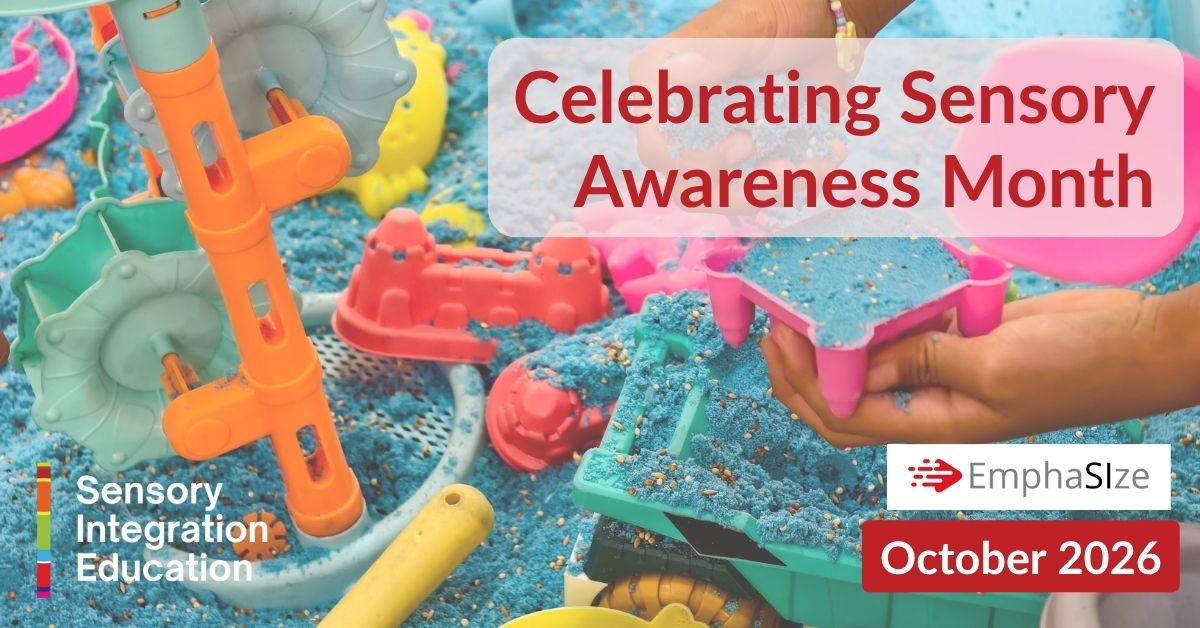
Welcome to the October issue of EmphaSIze! This month is Sensory Awareness Month which reminds us of the importance of sensory processing and integration differences.
Sensory processing is a significant part of our daily activities, encompassing essential tasks such as dressing, eating, moving, socialising, learning and working. We are all individuals and so everyone experiences differences in sensory processing. But for some individuals, these differences can make engaging in everyday tasks difficult.
In this month's issue, we've included lots of useful information, articles and resources to help raise our awareness and understanding of all things sensory.
Also if you’ve not yet booked your place for this year’s Sensory Inclusion Summit, there’s still time! This free online CPD event kicks off next Tuesday and all presentations are available to access until midnight on Tuesday 20 October. Find out more and book your free place here.
Happy reading!
News & Features
Last Chance to Register for This Month’s Free SIE Sensory Inclusion Summit!
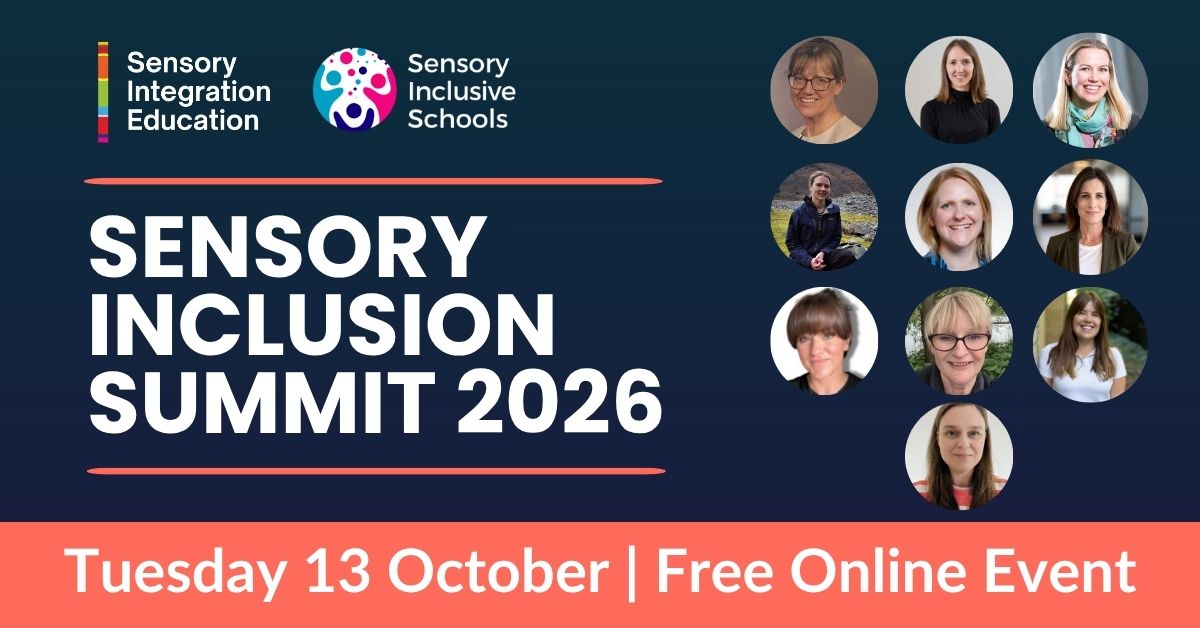
Join us next Tuesday for our FREE Sensory Inclusion Summit 2026 and discover how a sensory inclusive environment – both physical and relational – can help people participate, belong and thrive.
This year's theme, Changing Environments, Enabling Participation, brings together leading voices from education, health and social care to share the latest research, real-world practice and lived experience. Every session is packed with practical ideas you can apply immediately – from creating sensory-friendly spaces and supporting transitions to reducing sensory barriers and promoting meaningful participation.
Whether you're a therapist, healthcare professional, teacher, SENCO, early years practitioner, psychologist or social worker, this inspiring online event will equip you with fresh ideas to create more sensory inclusive environments.
All sessions are pre-recorded, with seven days of access from 13 October and you’ll receive a CPD certificate for attending.
Explore the speaker line-up and register today to be part of the conversation that's helping shape more inclusive environments for everyone.
Download Your FREE Copy of the SIE ‘What is Sensory Inclusion?’ Guide
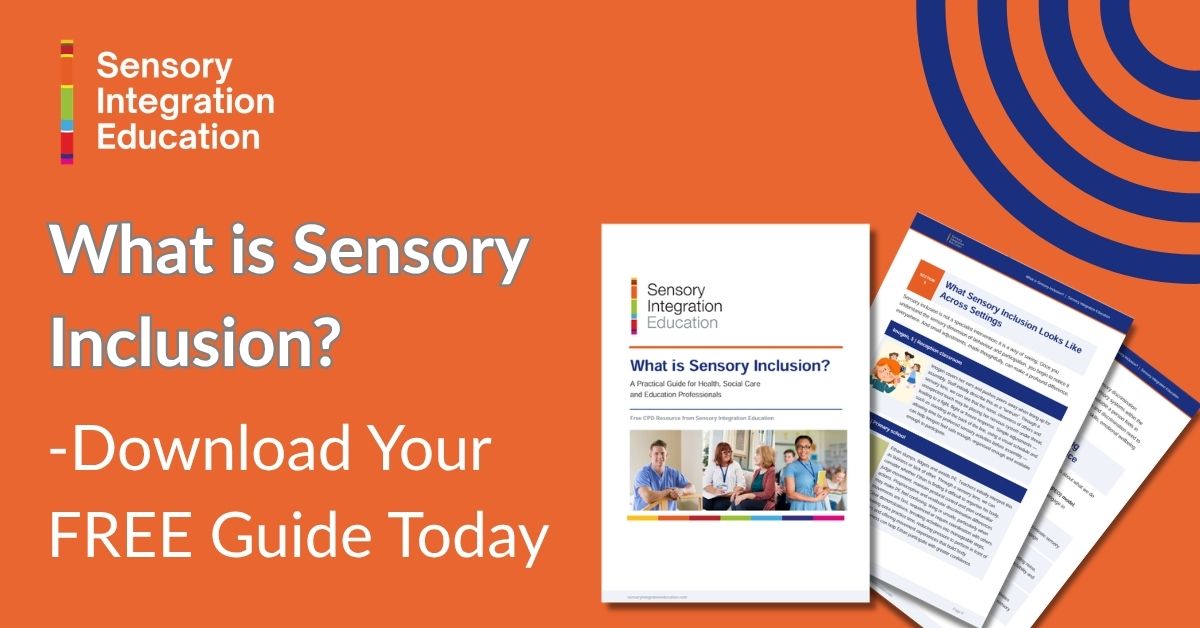
Every person you support has a sensory system. It shapes how they experience the world, how safe they feel, how they engage with others and how they participate in everyday life. Yet even today sensory processing and integration differences are still widely misunderstood.
Too often the person is viewed as the problem rather than recognising the mismatch between a person’s sensory needs, the environment and the demands of the task.
This free guide introduces sensory inclusion: what it is, why it matters, and how it can be put into practice. It is written for health, social care and education professionals who want to recognise the sensory dimension of the work they are already doing and create conditions where people can feel safer, participate more fully, and be better understood.
Embracing Sensory Awareness Month – Discover Your Sensory Preferences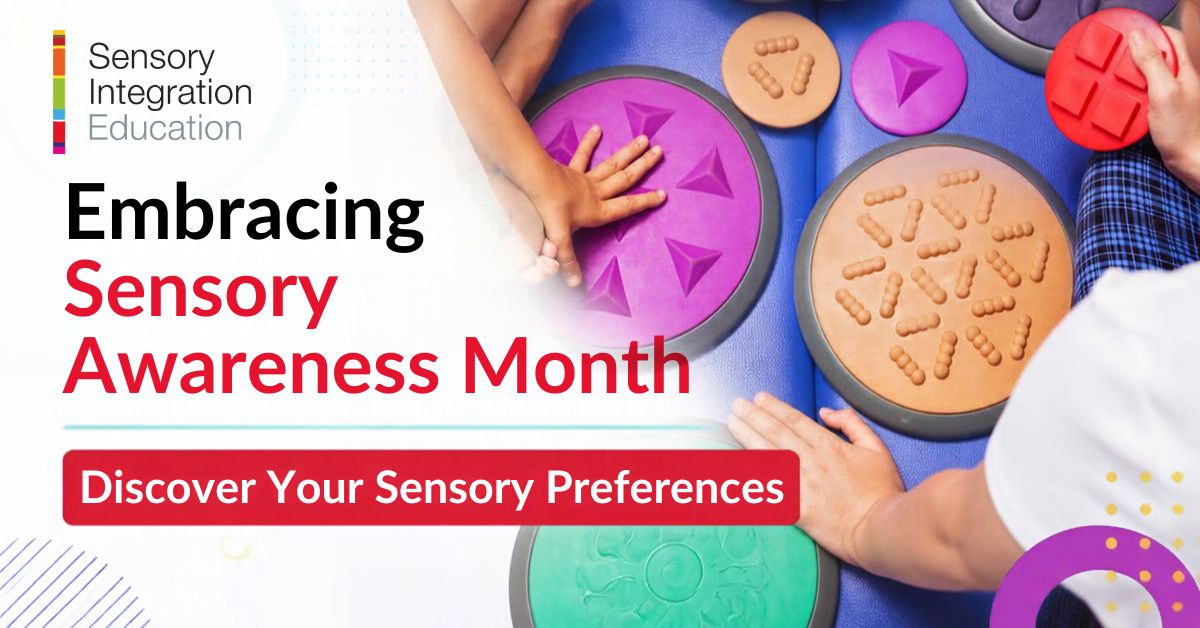
October marks Sensory Awareness Month, a time to reflect on how our senses shape daily life and wellbeing. Sensory awareness means recognising how we process sights, sounds, smells, tastes, textures, movement, and internal signals, which can influence our comfort, focus, coordination, emotions, and relationships.
This article looks at why Sensory Awareness Month matters and how we can all become more aware of our own sensory preferences to help improve self-care, reduce stress and build more inclusive environments.
Thoughts from a Therapist: Sensory is Everywhere...But Not All Sensory Training is Equal

Everyone’s talking about sensory. But does everyone understand it? Weighted blankets, sensory circuits and sensory rooms have moved from specialist territory into the mainstream—and that growing awareness is something to celebrate. But there’s a problem hiding in plain sight: as sensory becomes more popular, so does ‘sensory training’ of varying quality.
In her latest Thoughts from a Therapist blog, Anna Willis asks whether a little knowledge really is a dangerous thing, and why knowing who is delivering sensory training—and what qualifies them to do so—matters more than ever.
The Value of a Sensory Lens in Multidisciplinary Practice
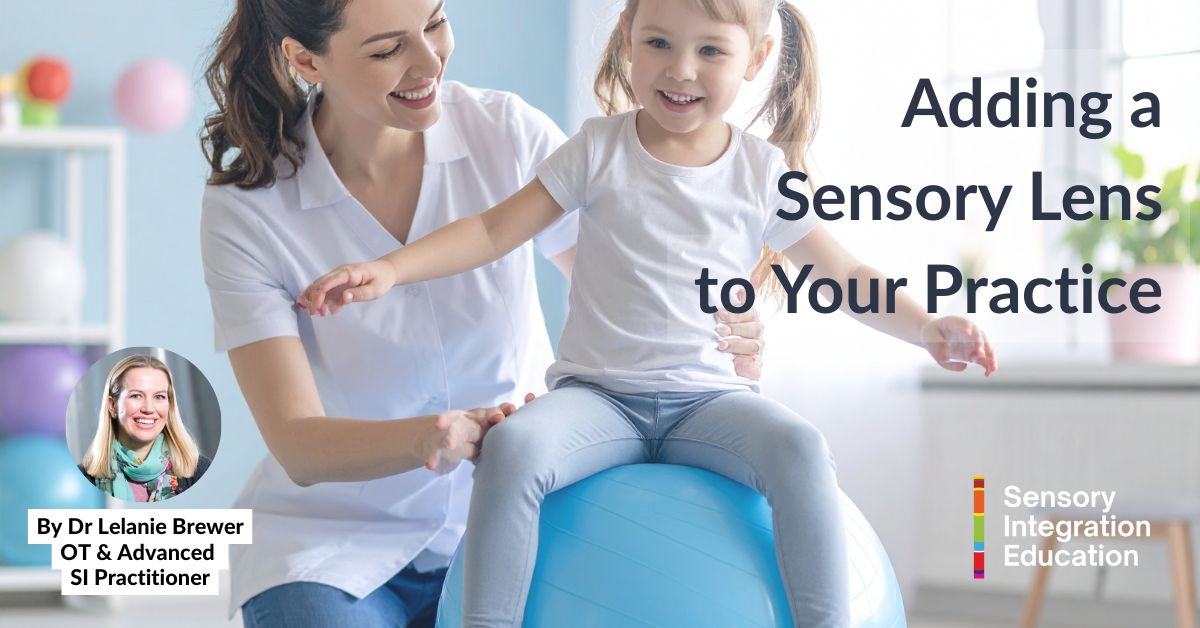
In this blog, SIE’s Dr Lelanie Brewer highlights the value of bringing a sensory lens into your professional practice. She explores how by considering sensory factors, therapists can gain a more holistic understanding of the person, their daily difficulties and the reasons behind certain behaviours or reactions.
Adopting a sensory perspective does not mean sensory integration will always be the primary intervention; rather, it broadens a therapist’s approach, supports informed decision-making, and empowers individuals and families to better understand their needs and preferences.
Also see:
Neurodivergent-friendly café and Lego hub opens in Northumberland
‘Educators need to recognise learner vulnerability following autism or ADHD diagnoses’
Manchester Airport opens new sensory and quiet space for passengers with non-visible disabilities
Center Parcs launches sensory library for neurodivergent families
Sensory World opens in Whitehaven to support families
Small changes can make a big difference to accessing healthcare
Upcoming Courses and Webinars

We have a number of live webinars that take place throughout the year covering a broad range of SI-related topics. Below is a snapshot of webinars happening in the first few months of 2026 or click here to view a summary of all the upcoming live events.
All these webinars are available to you by signing up to our Lifelong Learning Programme or can be purchased as individual courses:
- From Research to Practice: Enhancing Parent Education in Sensory-based Practice - 8 October 2026
- Designing ASI Spaces – 21 October 2026
- Autism, Sensory Processing and Eating Disorders - 2 November 2026
- Sensory-Informed Yoga for Schools - 9 November 2026*
- Framing Sensory Integration in Dementia Care – 11 November 2026
* Sensory Informed Yoga for Schools course is hosted by Sensory Inclusive Schools and is not included in the SIE Lifelong Learning Programme
SI Research Digest

Below are links to the most popular sensory integration and sensory processing research papers and findings published on our social channels last month:
The Sensory Environment May Be a Neglected Social Determinant of Mental Health
This new article argues that the sensory environment should be recognised as an important, yet overlooked, determinant of mental health.
It examines how sensory stimuli interact with individual differences in sensory processing and may contribute to mental health outcomes such as anxiety, depression and suicidal distress. Despite growing evidence of the relevance of sensory processing across the population, sensory considerations remain largely absent from population-level mental health frameworks and clinical practice guidelines.
The article identifies opportunities to address this gap through greater conceptual consensus, investigation of underlying mechanisms, and integration of sensory considerations into prevention and mental health literacy initiatives.
A new study found that 2 in 3 school-aged children born preterm presented with sensory processing differences that impact on participation, with these difficulties being particularly common among children with ADHD.
Children with ADHD had significantly greater differences in sensory sensitivity, auditory processing and attention compared with those without ADHD.
These findings highlight the importance of recognising sensory processing needs when supporting children born preterm, particularly those with ADHD.
This new systematic review examined self-reported sensory processing experiences among individuals with ADHD across the lifespan and explored their relationship with participation in daily life. Across 13 included studies, people with ADHD reported sensory processing differences compared with peers without ADHD, including both hyper- and hyposensitivity across sensory domains. These differences were associated with barriers to participation, particularly within higher education and employment settings.
New research highlights the complex impact of childhood maltreatment on development.
This study of 54 children involved with child welfare found very high rates of executive functioning (89%) and sensory processing differences that impact on participation in daily life (80%).
The findings also showed a strong relationship between sensory processing and executive functioning, while executive functioning difficulties were also associated with greater traumatic stress symptoms.
Resources

Take a look at our books and product recommendations for this month:
Autumn is Awesome (Stories for your Senses): The Stories for your Senses is an innovative series that immerses the reader in stories using the five senses. The storylines act as guides to each environment and sensory descriptions engage readers in each world that is created. Each book comes with a free audiobook and soundscape that captures the essence of the book to better immerse each reader. The ‘Autumn is Awesome’ book highlights woodland sounds, colourful illustrations and lots of seasonal fun.
The Too-Loud Day: A Gentle Story About Sensory Overwhelm and Big Feelings for Sensitive Children: Saffi the fennec has the biggest ears in the whole desert and hears everything. On market day the world is wonderful: lanterns and music and bright, bright colour. And then, all at once, it is too loud. Too bright. Too close. This is a beautifully illustrated story for children who feel everything, helping to calm them down after an overwhelming day and for gentle bedtime reading.
Halloween Without Tears: A Parent's Guide to Celebrating with Neurodivergent Kids: Written by a mother of two neurodivergent children, this book speaks directly to the frustration, guilt and isolation that many parents feel when their child can't participate in "normal" childhood experiences. The book offers practical wisdom gained from over a decade of Halloween trials and breakthroughs such as scouting neighborhoods for sensory triggers and creating backup plans that remove pressure.
Pumpkin Clicker Fidget Toy: Designed for tactile play and gentle fidgeting, this Halloween sensory fidget toy is ideal for sensory seekers and anyone who enjoys keeping their hands busy. Press down for a satisfying click that’s perfect for keeping restless hands occupied while working or studying. Its compact size makes it easy to keep on your desk, pop into a pocket or add to a sensory kit.
Anti-burst Peanut Therapy Ball: These Peanut Therapy Balls offer greater stability than regular, round therapy balls by limiting movement to forward and backward. It’s a useful therapeutic aid for those who have problems with balance and coordination and can help encourage both children and adults to engage core muscles to build strength and improve posture.
Discounts & Special Offers

Please quote DISCOUNT CODE SIE20 for 10% discount on Southpaw orders up to £100. Orders must be placed by phone on +44 (0) 115 718 0020.
Would you like to receive EmphaSIze: The Sensory Integration Newsletter in your inbox? JOIN SIE FREE TODAY
Best wishes,
Sensory Integration Education
NB: Sensory Integration Education is not responsible for the content on external websites. Sharing a resource does not imply endorsement by Sensory Integration Education.
