
EmphaSIze September 2026: New Beginnings, New Routines
By Sensory Integration Education, 1st September 2026
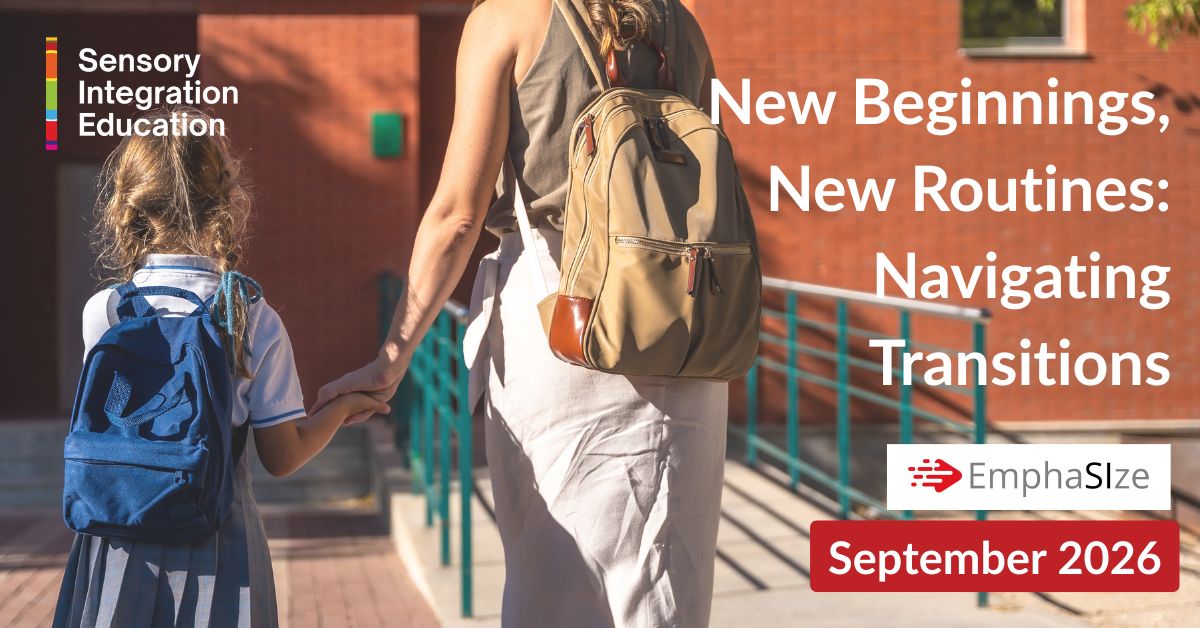
Welcome to the September issue of EmphaSIze! This month we're focusing on new beginnings and new routines.
With the new academic year already in place for most of us, this can be an exciting time for children and teens. However, for those with sensory differences, transitioning to a new school, college or university or starting back after a long summer break and adjusting to a new routine can bring a number of challenges that make it difficult for these individuals to succeed in a school or college setting.
In this month's EmphaSIze, we've put together useful information, research, articles, books, and product ideas to help better inform ourselves of how we can support these individuals navigate these transitions and changes in routines.
Also have you booked your place yet for this year’s Sensory Inclusion Summit? This year’s theme, Changing Environments, Enabling Participation, is all about exploring how changing environments can support sensory safety, belonging and participation. The event is free to attend – check out the article below to find out more!
Happy reading!
News & Features
Get Your Free Back to School Sensory Survival Kit
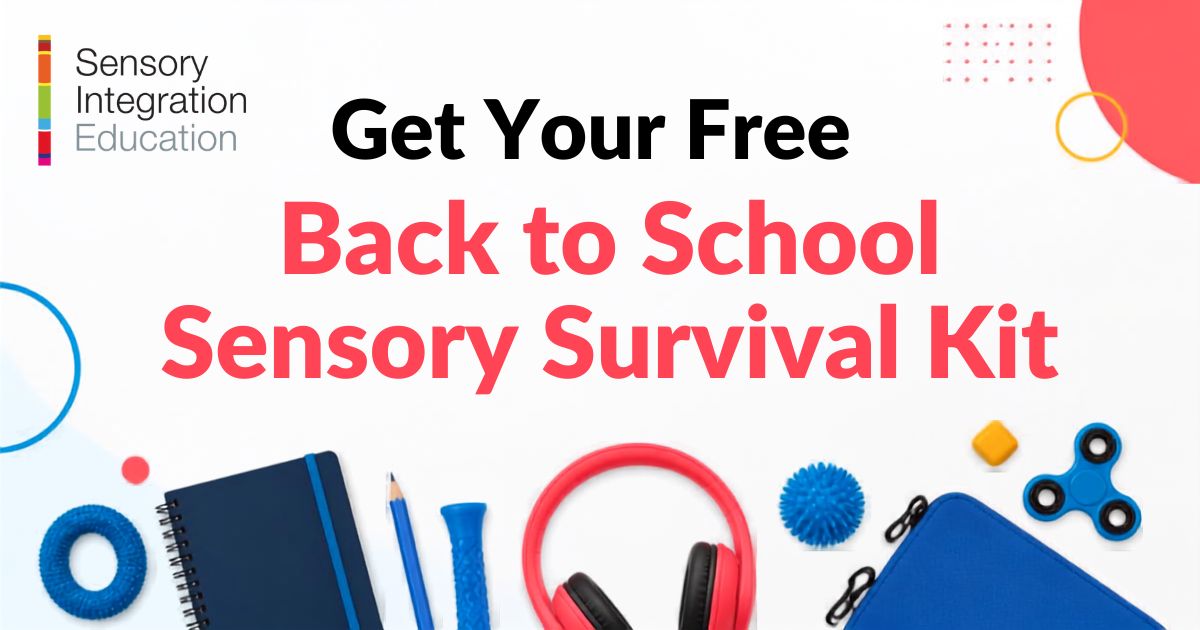
After a long summer break, going back to school can be difficult. For children and young people with sensory differences, it can be even harder with so many aspects to consider regardless of whether they are starting school for the first time or starting a new school year.
Packed with helpful tips and useful product suggestions, our Back to School Sensory Survival Kit is a FREE guide to help families prepare for a smoother start to a new school year.
Download your free copy here and please share with the families you’re working with.
Book Your Free Place at This Year's Sensory Inclusion Summit!
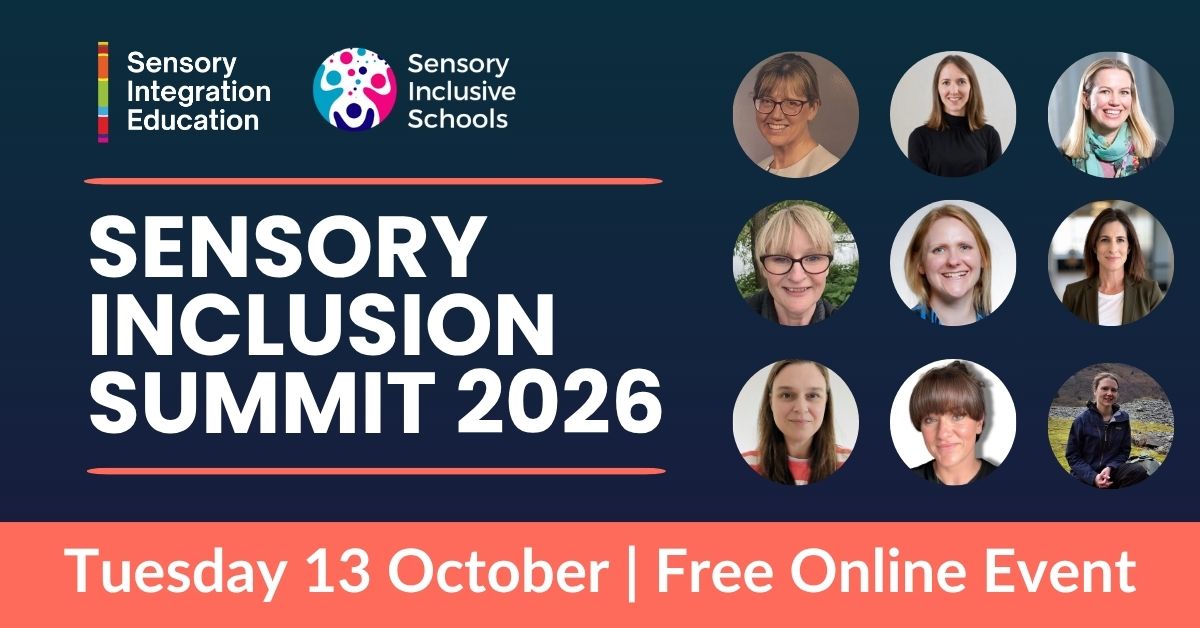
What if changing the environment could transform participation?
Join us for our FREE Sensory Inclusion Summit 2026 on 13th October and discover how simple, practical environmental adaptations can help more people feel safe, connected and able to thrive.
This year's theme, Changing Environments, Enabling Participation, brings together leading voices from education, health and social care to share the latest research, real-world practice and lived experience. Every session is packed with practical ideas you can apply immediately – from creating sensory-friendly spaces and supporting transitions to reducing sensory barriers and promoting meaningful participation.
Whether you're a therapist, teacher, SENCO, early years practitioner, psychologist, social worker or healthcare professional, this inspiring online event will equip you with fresh ideas to create more sensory inclusive environments.
All sessions are pre-recorded, with seven days of access from 13 October and you’ll receive a CPD certificate for attending.
Places are free, but don't miss out. Explore the speaker line-up and register today to be part of the conversation that's helping shape more inclusive environments for everyone.
Starting Pre-School with Sensory Differences
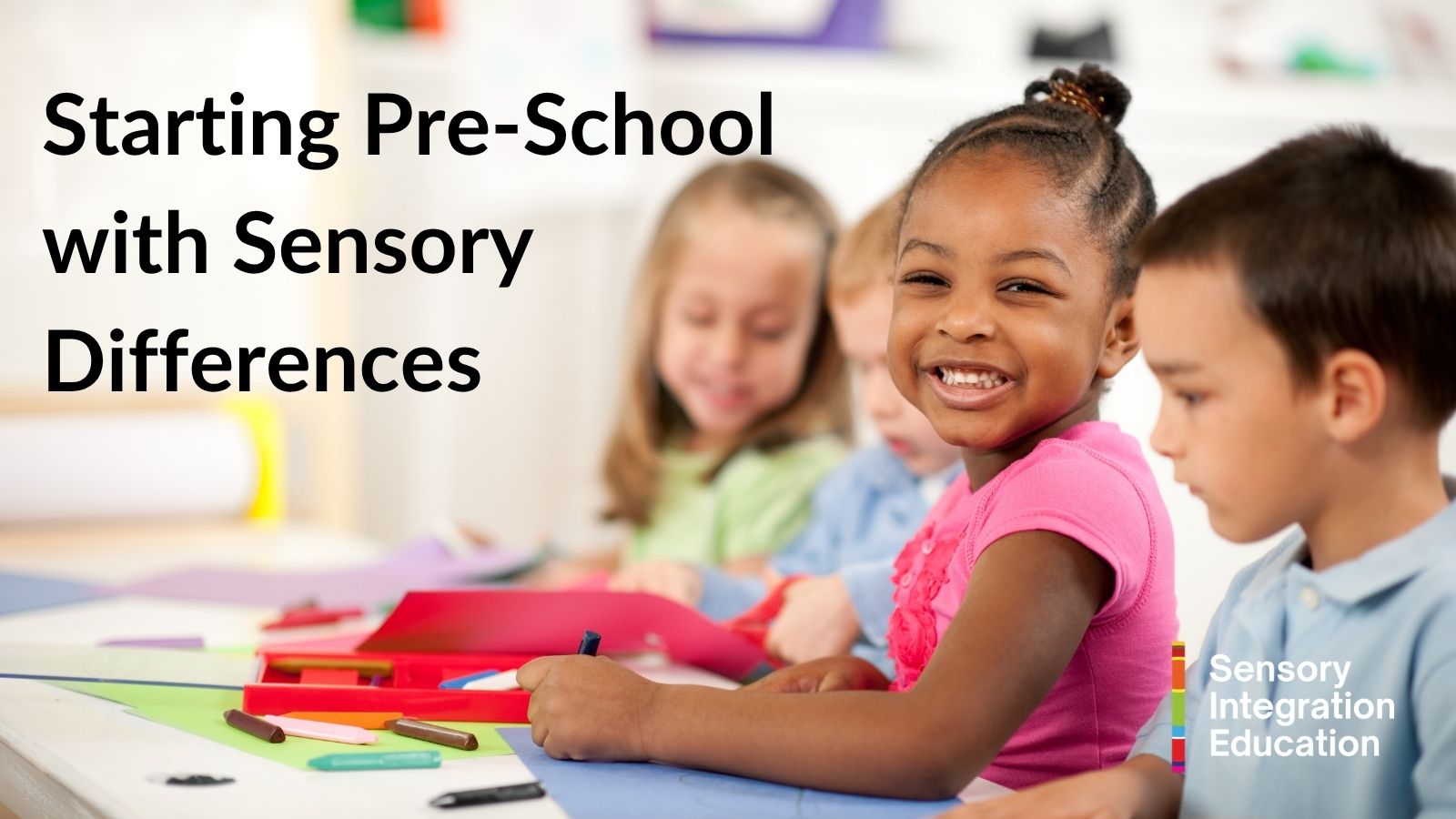
Starting pre-school is a big milestone for any child – but for children with sensory differences, it can bring some unexpected challenges. In this blog, Dr Lelanie Brewer explores how the busy, stimulating environment of nursery and pre-school can affect children who experience sensory processing or motor coordination difficulties.
From managing noise and messy play to following routines, participating in group activities and navigating self-care, Lelanie shares practical considerations and advice to help parents and early-years staff support children to feel confident, comfortable and ready to learn.
Thoughts from a Therapist: The Antiques Roadshow, Anxiety and Interoceptive Errors
What does the Antiques Roadshow have to do with interoception? Read Anna Stock-Willis’ latest blog to find out more!
From moving away from a favourite activity to starting a new school year, transitions involve changes in attention, sensory input, sequencing and, for many, an emotional and interoceptive experience. In her latest Thoughts from a Therapist blog, Anna Stock-Willis explores why transitions can feel so uncomfortable, how anxiety can sometimes be misinterpreted as physical illness, and the important role SI therapists can play in helping clients understand and navigate what’s happening in their bodies.
Read the full blog to discover more.
Think You Know Sensory Circuits? Think Again!
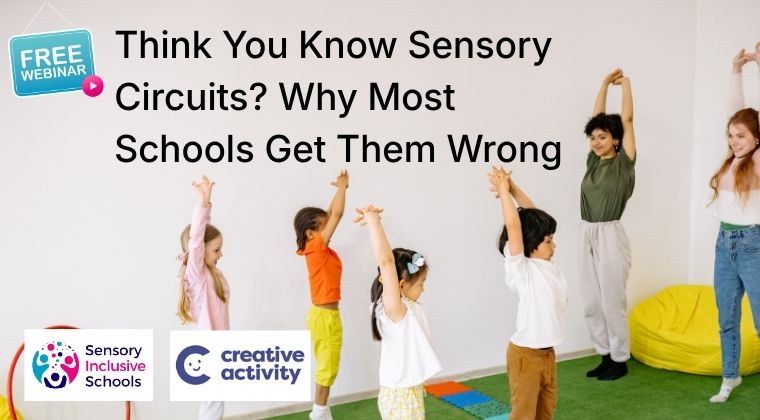
Think you know sensory circuits? You might be surprised. Sensory circuits are widely used in schools, but are they always being used to their full potential?
In this free 90-minute webinar, Sensory Inclusive Schools, in collaboration with Creative Activity, will challenge some common assumptions and explore how sensory circuit principles can move beyond a fixed routine in the school hall.
Discover practical ways to embed sensory exploration, movement and self-awareness throughout the school day – helping students better understand and communicate their sensory needs, make choices and develop self-advocacy skills.
Also see:
Mum converts ambulance into SEND sensory van
The Perfect ‘Period Pair’: WUKA launches first-ever sensory friendly Teen Starter Kit in Tesco
Mental health sensory boxes help young people in Essex
How a university opened its doors to neurodivergent employees
Why a salon visit is not cut and dried for the neurodivergent child
Upcoming Courses and Webinars

We have a number of live webinars that take place throughout the year covering a broad range of SI-related topics. Below is a snapshot of webinars happening in the first few months of 2026 or click here to view a summary of all the upcoming live events.
All these webinars are available to you by signing up to our Lifelong Learning Programme or can be purchased as individual courses:
- Designing ASI Spaces – 8 September 2026
- Interoception and Developmental Trauma - 24 September 2026
- From Research to Practice: Enhancing Parent Education in Sensory-based Practice - 8 October 2026
- Autism, Sensory Processing and Eating Disorders - 2 Nov 2026
- Framing Sensory Integration in Dementia Care – 11 November 2026
SI Research Digest

Below are links to the most popular sensory integration and sensory processing research papers and findings published on our social channels last month:
The Influence of Sensory Processing on Executive Function in Young Autistic Children
New research highlights an important link between sensory differences and executive functioning in young autistic children. Sensory interests, repetitive and seeking (SIRS) behaviours were consistently associated with greater executive function challenges, particularly working memory difficulties. The findings suggest that early support for sensory differences may help strengthen executive functioning and reinforce the value of using multiple approaches to assess sensory experiences in autism.
This new systematic review synthesised evidence from 29 studies examining sensory reactivity in autistic individuals with co-occurring intellectual and developmental disabilities (IDD). Across both idiopathic and syndromic autism, sensory hyporeactivity or under-responsivity emerged as the most commonly reported sensory phenotype, often alongside elevated sensory seeking, whereas hyperreactivity or over-responsivity was less prominent than has been reported in autistic individuals without IDD.
New qualitative research highlights how environmental and interpersonal factors may contribute to the development of anxiety and depression among autistic young people. Interviews with 20 autistic young people (aged 10–18) and 30 parents identified three key themes: (i) external demands and pressures; (ii) autonomy and control; and (iii) safety, trust and predictability.
The findings emphasise that autistic young people’s mental health cannot be understood in isolation from their environments. Reducing unnecessary demands, improving autism understanding and creating predictable, sensory-considerate spaces may be important targets for prevention and intervention.
This new study examined the relationship between sensory processing, resting-state EEG functional connectivity, and autistic traits in adults.
Adults with higher levels of autistic traits showed distinct sensory processing patterns and differences in connectivity across sensory and multisensory integration networks. Sensory processing patterns accounted for the association between connectivity and autistic trait levels and were the strongest predictor of individual variation, outperforming resting-state EEG connectivity alone.
The findings suggests that individual differences in sensory experiences and sensory-network organisation are closely linked to the expression of autistic traits across adulthood.
Resources
Take a look at our books and product recommendations for this month:
The Educator’s Experience of Pathological Demand Avoidance: During author Laura Kerbey's time teaching autistic children, she had a sudden realisation that those with Pathological Demand Avoidance (PDA) are children like no other! None of her tried and tested autism strategies would work to help them focus or learn.
Her short, easy-to-read guide will teach you everything you need to know from one educator to another. With an introduction to what PDA is, the guide contains everything you need to start implementing PDA friendly learning to help you connect with your student and help them make the most of their learning experience.
Studying with Dyspraxia: Written by Rosemary Richings, this book is a useful guide for students with dyspraxia. It will help them understand what to expect at university and how to adjust to a more independent lifestyle. Crucially, it helps them to implement study strategies that really work and gain a more in-depth understanding of what reasonable adjustments could be available to them, and how they can benefit from them. They will also learn how to articulate their needs to university professionals and teaching staff. In addition, the book contains valuable guidance on how to avoid low motor pain when studying.
The Feelings Furballs: Emotional Regulation Activities and Ideas for the Classroom: With her approachable and adorable 'feelings furballs' characters including Angry Addi, Furious Fyla, Frustrated Fenn, Wobbly Wabe, Anxious Amiq and Restless Rav, experienced SENCo Lynn How provides teachers and other childcare workers with a variety of activities to help children better understand, express and regulate their emotions. With easy-to-read theory about emotional regulation and why it needs to be supported, you'll learn how to apply these lessons both in the classroom and one-to-one.
Confidently Teach Students with Autism: This book is a practical guide designed to help educators create more inclusive, supportive and engaging classrooms. It provides clear, actionable strategies for supporting autistic students including adapting lessons, managing behaviour, developing communication, using visual supports and creating sensory-friendly environments.
Real-life examples and case studies demonstrate how strategies can be adapted to individual needs and classroom dynamics. Straightforward and accessible, this guide offers practical approaches that educators can implement immediately, even with limited time and resources.
Sensory Adjustable Wobble Stool: Ideal for a range of different environments from the classroom to home, these adjustable wobble stools support user movement, which is essential for cognitive development and to help keep bodies and minds engaged.
Suitable for children from ages 3+ years old, the height of the stool can be adjusted from a lowest height of 40cm right up to 55cm. The base is rounded making it intentionally unstable to encourage active sitting and it has a slightly concave seat pad with a non-slip textured surface for added comfort.
Learning Resources Sensory Fidget Toy Set: This fidget toy is a useful emotional regulation toy with 4 calming fidget actions - squeeze the foam, spin the spinner, solve the maze, and sift the falling beads. The fidget toy’s cubes fit in the included tray for on-the-go play and easy clean-up. It also comes with an Activity Guide where children will find new ways to cool down, manage feelings and emotions and reduce anxiety.
Discounts & Special Offers

Please quote DISCOUNT CODE SIE20 for 10% discount on Southpaw orders up to £100. Orders must be placed by phone on +44 (0) 115 718 0020.
Would you like to receive EmphaSIze: The Sensory Integration Newsletter in your inbox? JOIN SIE FREE TODAY
Best wishes,
Sensory Integration Education
NB: Sensory Integration Education is not responsible for the content on external websites. Sharing a resource does not imply endorsement by Sensory Integration Education.
