
-
%20Sensory%20Inclusion%20Facilitator%20Certificate.png)
(G132) Sensory Inclusion Facilitator Certificate
Course5.0 average rating (6 reviews)Become a Certified Sensory Inclusion Facilitator. This online certificate course teaches you to recognise sensory processing differences and make practical adaptations in health, education, and community settings. Includes live sessions & assessment.
Purchase£395
Play Without Barriers: Creating Sensory Inclusive Spaces Where Every Child Can Thrive
By Gympanzees - 5 August 2026
Every child deserves the chance to play, explore and experience the joy of movement. But for many disabled and neurodivergent children, everyday play spaces can present barriers that limit not only participation but also opportunities to learn, connect and thrive. In this inspiring guest blog, the team at UK-based charity Gympanzees share their journey to create truly inclusive environments where every child feels welcomed, valued and able to take part.
Why sensory inclusive play matters
Play is why children move, and moving is how children learn and develop. Climbing, swinging, bouncing, balancing, these aren't just fun, they're how a child builds strength, coordination and confidence in their own body, alongside learning to take turns, solve problems, and figure out who they are around other people.
For most children, that kind of active play happens without a second thought, a local park, a soft play centre, a school playground. But for disabled and neurodivergent children, those same spaces can be full of barriers: equipment they can't access, environments that are too loud or too bright, or simply nowhere for a carer to help them join in safely. Disabled children and young people are half as likely to be active as their non-disabled peers.
That's not a small gap. Play isn't a "nice to have" alongside a child's development, it is their development. And when a child is repeatedly unable to take part in something every other child around them is doing, it doesn't just affect their physical development, it affects their sense of belonging.
We believe sensory inclusive accessible play should be considered essential infrastructure for any community. In the same way we'd expect a ramp alongside a set of steps. Not an add-on or a nice gesture. A basic expectation.
Gympanzees experience
Back in 2016, Gympanzees began with a question.
Why was there nowhere for disabled children and young people to be active simply for the joy of it?
Our CEO and Founder, Stephanie Wheen, is a physiotherapist. Through her work, she saw children attending appointments and therapy sessions, but she could not find places where they could climb, swing, bounce and move alongside their brothers, sisters and friends.
That gap became her mission: to create accessible, inclusive spaces where every child can move and exercise through play, in an environment designed around them rather than retrofitted as an afterthought.
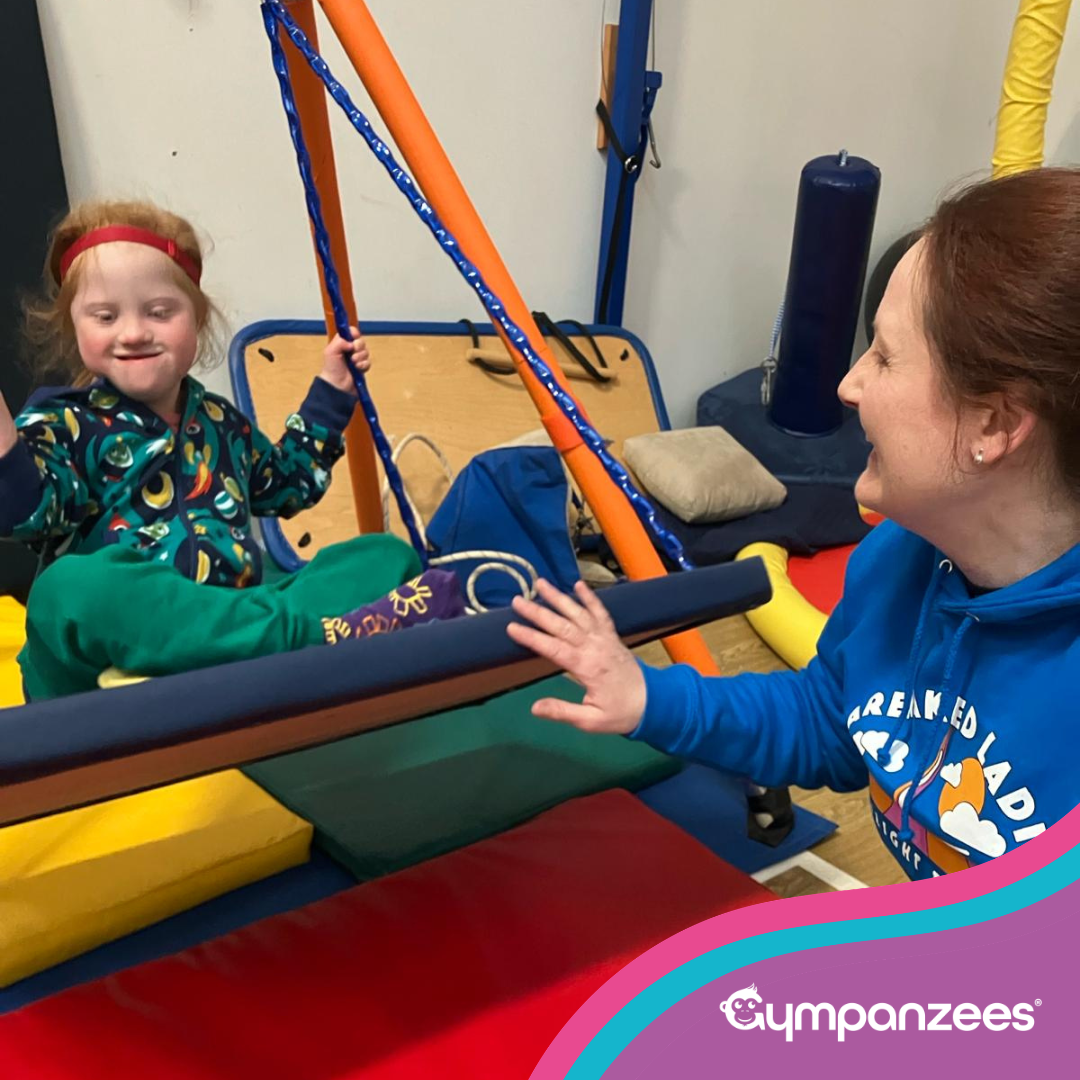
Then, two years later, in 2018, we launched our first Pop Up. We had to prove the concept. We had to show just how needed this space was. After the huge success of that first one, we started working closely with our visitors, keen to find out how the space could be improved to work even better for their families. Now, in August 2026, we're holding our 10th Pop Up, celebrating Gympanzees' 10th birthday, and the last one before we open the doors to a permanent, first-in-the-UK, fully inclusive exercise and leisure centre in Spring 2027. Built for and with disabled children, young people and their families.
Creating sensory inclusive spaces
There's an important difference between a space that's accessible and one that's also sensory inclusive. Accessible often means: can a wheelchair get through the door? Sensory inclusive asks a deeper question: can every child, regardless of how their brain and body process the world, actually engage with what's inside?
Years of working directly with families have taught us that what they need isn't complicated, it's specific. Families do not want spaces that meet only the legal minimum. They want spaces designed with a genuine understanding of their child’s physical, emotional and sensory needs.
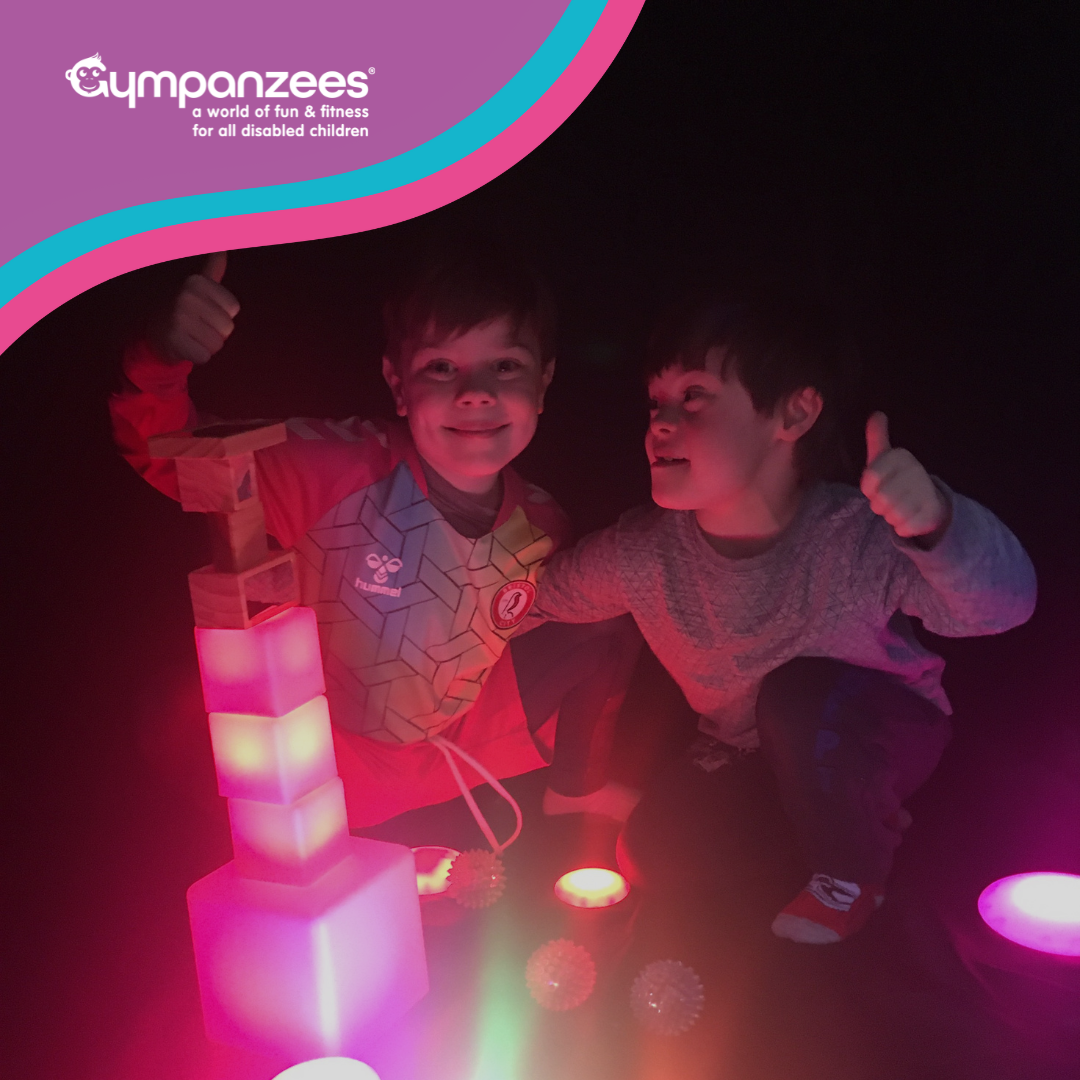
One of the biggest misconceptions is that inclusive design only benefits a small number of people. In reality, sensory-inclusive spaces often work better for everyone. Clear layouts, calmer environments, flexible spaces and thoughtful communication can make a visit easier for children, parents, carers and staff alike.
Our advice to any organisation, school or community group looking to do this: talk to disabled people and their families directly. The features that matter most are rarely the ones you'd guess sitting in a meeting room.
The role of sensory inclusion training
Our relationship with Sensory Integration Education began before Gympanzees existed.
When Steph first started working as a private physiotherapist, she completed sensory training that completely changed the way she practised.
By understanding how a child processed their surroundings, and by preparing both the child and the environment before and during a session, she could sometimes achieve in one appointment what had previously taken five.
That experience helped shape Gympanzees from the very beginning. Sensory understanding was not added later. It was built into the idea from day one.
Steph had shared parts of her learning informally with the team over the years, but SIE then kindly offered to train the wider Gympanzees team properly.
Half of our team have now completed SIE’s Sensory Inclusion training, and we are already discussing training for our staff once the new centre opens.
The training has not only given our team practical tools. It has changed the way we understand behaviour, communication and participation.
Instead of asking, “Why won’t this child join in?”, we can begin to ask, “What is this environment asking of them, and what could we change?”
Sensory processing is not something every family has had the opportunity to learn about. By developing a deeper understanding across our whole team, we can offer support that goes beyond a single visit. We can share practical tips, explain what might be happening and guide families towards useful resources.
It's about creating a better environment but it's also about helping children understand themselves, while supporting families to recognise what may help their child in everyday life.
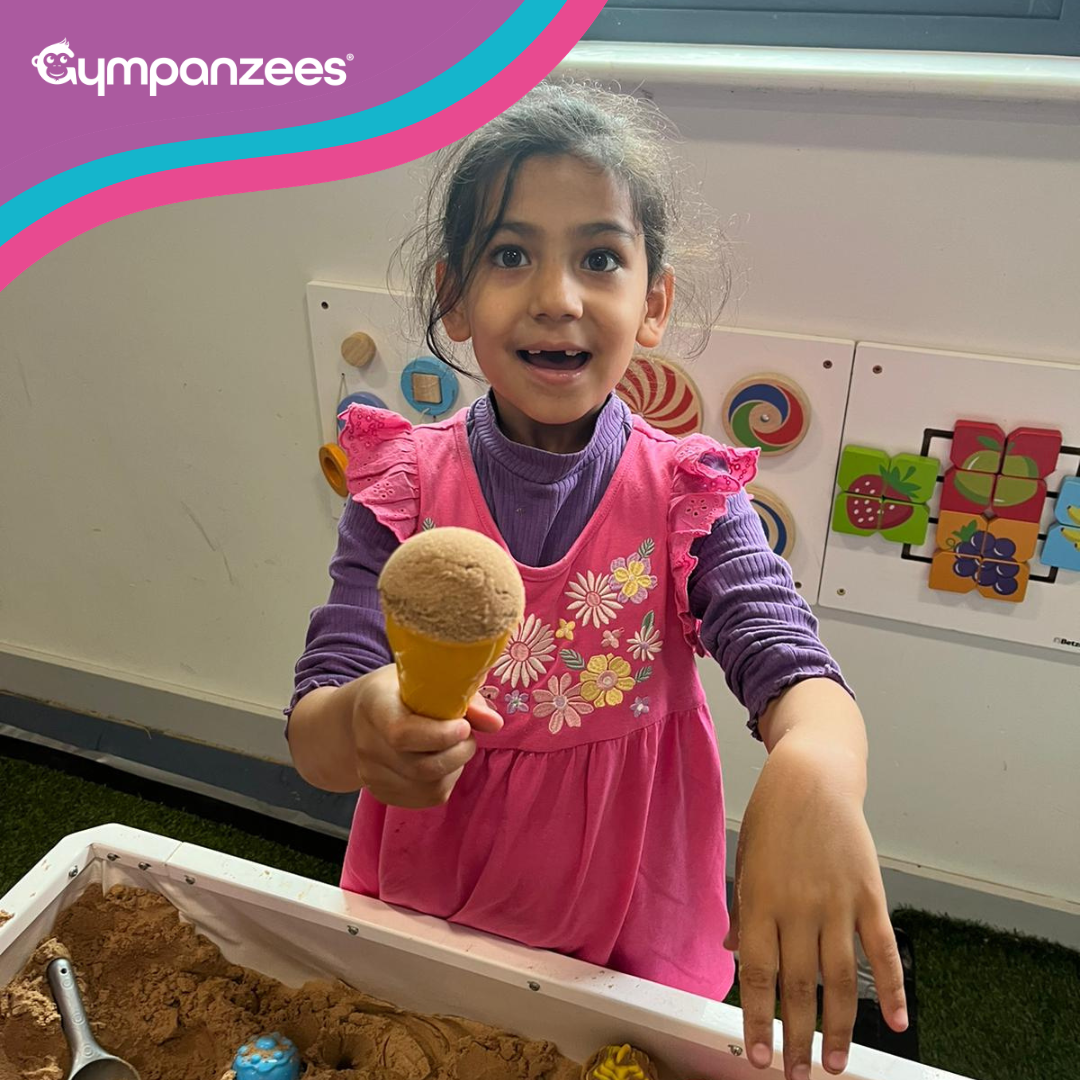
The team's enthusiasm quickly became obvious. We even had a group chat where people shared moments from the course. One message from Steph still makes us smile, spelling and all:
“Part 1.8 on Sensory Inclusive Schools is also FASCINATING and brings sensory problems to life. Can you tell how much I am loving this....?? Hope you are all enjoying it as much!”
Understanding sensory processing moves us away from guesswork.
It helps us understand why one child may need movement to concentrate, why another may find a particular sound unbearable, or why a familiar object or quiet corner can make an unfamiliar environment feel manageable.
Sometimes, the change needed is small: a pair of ear defenders, a clearer routine or a different piece of equipment. Sometimes it is more complex. But the effect on a family can be enormous.
We have already seen children take off their ear defenders in public for the first time. We have seen children eat outside their home, make their first friend, or sit and concentrate on a game in a way their family had never seen before.
To someone looking in, these moments may seem small.
To the families living them, they can feel life-changing.
Looking ahead
In Spring 2027, Gympanzees will open the UK’s first fully inclusive exercise, play and leisure centre created specifically for disabled children, young people and their families.
Our Pop Ups have shown them what is possible. The new centre will make those possibilities permanent.
It will be open seven days a week, creating space for better health, greater confidence, new friendships and cherished family memories.
It might be where a three-year-old laughs during play in a way their parents have never heard before. Where a six-year-old takes their first steps. Where siblings finally find an activity they can enjoy together. Where a parent sits down with a cup of tea and speaks to someone who understands their world without needing an explanation.
What excites us most is the permanence of it.
At the moment, families have access to Gympanzees for only a limited number of weeks through our Pop Ups. Soon, they will be able to return again and again, watching their child build confidence, develop new skills and feel at home in a space designed entirely around them.
Even the café is being planned with sensory needs in mind. The noisy coffee machine will be in the kitchen, and a separate food preparation area will help prevent strong smells from travelling through the space.
These may sound like small details, but thoughtful details are often what make the difference between a family staying, relaxing and enjoying their visit, or having to leave.
Final thoughts
Every child deserves the chance to play freely, joyfully and without barriers.
Sensory-inclusive spaces do more than make participation possible. They tell children and families that they were expected, considered and welcomed from the very beginning.
That is the future we are working towards - communities where disabled and neurodivergent children and young people do not have to fit into spaces that were never designed for them.
Instead, the spaces fit around them.
Gympanzees is a UK-based charity founded in 2016 by paediatric physiotherapist Stephanie Wheen.
It provides inclusive exercise, play, and social facilities for children and young people (0-25 years) with sensory, physical, learning difficulties, SEN and any mild to profound disability. In Spring 2027 Gympanzees will open the UK’s first fully inclusive exercise, play and leisure centre created specifically for disabled children, young people and families.
Interested in learning more about how to adapt environments, activities and approaches to be more inclusive?
Take a look at our Sensory Inclusion Facilitator course