
-
%20Sensory%20Integration%20and%20Burnout%20in%20ADHD.png)
(G141) Sensory Integration and Burnout in ADHD
Course5.0 average rating (2 reviews)Available to 31/12/26 – On-demand webinar. Break the ADHD burnout cycle. Amy Stephens explores the sensory processing factors behind repeated burnout and practical SI strategies for a sensory-rich reset.
-

(XG142) Postural Control and Reflexes in Sensory Integration
CourseSummer CPD Booster – access from 1 to 31 August only!
-
(XG148) Viewing Eating and Drinking Through a Sensory Lens
Course5.0 average rating (2 reviews)Summer CPD Booster – access from 1 to 31 August only!
The Sensory Benefits of Outdoor Play for People of All Ages
By Dr Lelanie Brewer, 3 August 2026
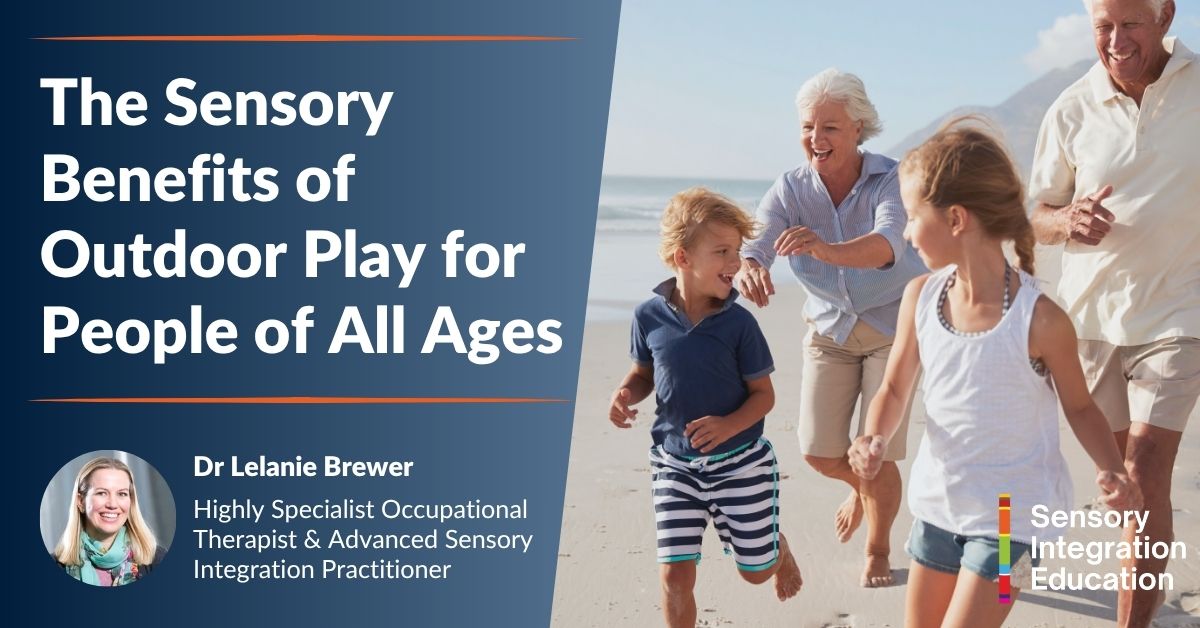
Outdoor play is about much more than keeping active. It's also one of the most effective ways to engage our senses, improve our wellbeing, and reconnect with the natural world. While outdoor play is often associated with children, the sensory benefits of outdoor play can be enjoyed by people of every age. From babies exploring different textures for the first time to older adults enjoying a peaceful walk through a park, spending time outdoors supports physical health, mental wellbeing, emotional resilience, and cognitive development.
Nature as a Playground for the Senses
The natural environment provides endless opportunities for outdoor sensory play. Every visit to a garden, woodland, beach, or local park stimulates the senses through changing colours, natural sounds, fresh scents, and varied textures. Unlike indoor environments, nature is constantly changing with the seasons, making every outdoor experience unique. Whether you’re listening to birdsong, feeling the breeze on your skin, walking across soft grass, or smelling fresh flowers after rainfall, these simple sensory experiences help us feel calm, focused, and connected.
Babies and Young Children: Building Blocks Through Play
For babies and young children, outdoor sensory play is essential for healthy growth and development. Natural environments encourage children to explore using all of their senses while developing important physical and cognitive skills. Digging in soil, splashing in puddles, collecting leaves, climbing over logs, and balancing on uneven ground all help strengthen coordination, balance, and motor skills. At the same time, these experiences encourage curiosity, creativity, language development, and confidence as children learn through exploration and discovery.
Growing Children: Learning Beyond the Classroom
As children grow older, the benefits of outdoor play continue to support learning and emotional wellbeing. Spending time in nature has been shown to improve concentration, reduce stress, and encourage problem-solving skills. Outdoor environments inspire imaginative play, teamwork, and resilience while providing a healthy break from screens and structured routines. Whether children are building dens, exploring woodland trails, or playing games in the park, nature encourages active learning in ways that classrooms alone cannot provide.
Teenagers: A Healthy Break from Screens
Teenagers also benefit from regular outdoor activities. With increasing academic demands and greater use of technology, many young people spend less time outside than previous generations. Outdoor play and recreation provide valuable opportunities to reduce stress, improve mood, and support positive mental health. Activities such as hiking, cycling, paddleboarding, gardening, or simply meeting friends in a green space encourage movement, mindfulness, and social connection while giving the brain a chance to recharge.
Adults: Slowing Down to Recharge
The sensory benefits of outdoor play are equally important for adults. Busy lifestyles often leave little time to slow down, but spending time in nature offers a simple and effective way to reduce stress and improve overall wellbeing. Gardening, walking in woodland, outdoor yoga, family games, or relaxing in a local park all stimulate the senses while encouraging regular physical activity. Exposure to fresh air, natural light, and green spaces has also been linked to improved sleep, increased creativity, and better mental health.
Older Adults: Staying Active, Staying Connected
Older adults can experience significant physical, emotional, and cognitive benefits from spending time outdoors. Gentle outdoor activities such as gardening, walking, birdwatching, or visiting sensory gardens help improve mobility, balance, and coordination while supporting memory and cognitive function. Natural environments also encourage social interaction, helping to reduce loneliness and promote a greater sense of wellbeing. Accessible outdoor spaces ensure that people of all abilities can continue to enjoy the restorative benefits of nature throughout later life.
Stimulating Every Sense
One of the greatest advantages of outdoor sensory play is that it naturally stimulates every sense. Colourful flowers, changing landscapes, wildlife, and seasonal changes provide rich visual experiences. The sounds of birds, rustling leaves, rainfall, and flowing water create calming environments that help reduce anxiety and promote relaxation. Different textures, including sand, bark, grass, stones, mud, and water, encourage tactile exploration and improve sensory awareness. The scent of herbs, flowers, fresh rain, and woodland can evoke positive memories and enhance emotional wellbeing, while growing and tasting fresh fruit, vegetables, or herbs adds another valuable sensory experience.
Balance and Movement
Outdoor play also supports vestibular and proprioceptive development, which are essential for balance, coordination, body awareness, and movement. Activities such as climbing, swinging, jumping, running, balancing on logs, or walking over uneven surfaces strengthen these important sensory systems. These experiences benefit children developing motor skills, adults maintaining fitness, and older people working to preserve mobility and independence.
Simple Ways to Start
Creating opportunities for outdoor sensory play doesn’t require expensive equipment or large outdoor spaces. Visiting a local park, planting flowers in containers, creating a nature scavenger hunt, walking barefoot on safe natural surfaces, exploring woodland trails, or simply sitting quietly and listening to nature are all easy ways to enjoy the sensory benefits of being outdoors. Even spending just 20 to 30 minutes outside each day can have a positive impact on both physical and mental wellbeing.
A Lifelong Habit Worth Building
The sensory benefits of outdoor play extend far beyond childhood. Nature provides a rich environment that supports learning, relaxation, movement, creativity, and emotional health throughout every stage of life. Whether you’re encouraging a child to explore the world around them, looking for ways to improve your own wellbeing, or helping an older family member stay active, spending time outdoors is one of the simplest and most effective ways to nurture both body and mind. By making outdoor play a regular part of everyday life, people of all ages can enjoy healthier, happier lives while developing a deeper connection with the natural world.
Dr Lelanie Brewer
Highly Specialist Occupational Therapist, Advanced Sensory Integration Practitioner, PhD, MScOT, BSc, FHEA
Every 5 August is Playday, the UK's national day for play — a timely reminder that play isn't just for children, and it doesn't need a big garden or a special occasion to enjoy its benefits. Playday is coordinated by Play England, Play Wales, Play Scotland and PlayBoard Northern Ireland.
Sensory Integration Education is a leading UK provider of postgraduate and CPD training in sensory integration. Our postgraduate courses are accredited by Sheffield Hallam University.
Check Out Our Upcoming Live Training Events
You can purchase individual events or get access to a whole year of CPD events with a Lifelong Learning Programme subscription.
