
EmphaSIze May 2026: Sensory Differences and the Female Experience
By Sensory Integration Education, 4th May 2026
Welcome to the May issue of EmphaSIze where this month we're focusing on Sensory Differences and the Female Experience.
Across a woman’s lifespan, sensory processing is not static but influenced by significant hormonal shifts that can shape how the nervous system interprets and responds to the world. During key life stages such as puberty, pregnancy, perimenopause and menopause, fluctuations in oestrogen and progesterone can affect sensory thresholds, interoceptive awareness, emotional regulation and overall sensory integration. These changes may heighten sensitivity to sound, touch, light or internal bodily signals, or in some cases reduce the ability to register them clearly.
In this month’s newsletter, you'll find useful information, articles, research, books and product ideas to help us better understand and support the girls and women we work with as they experience these hormonal changes.
Would you like to write a guest blog?
Do you have a sensory-related story you’d like to share with the SIE community? If you have clinical experience, research insights or a perspective on sensory processing that would resonate with a health professional audience, we would love to hear from you!
Find out how to contribute here →
News & Features
New Webinar Highlights the Hidden Impact of Perimenopause on Neurodivergent Adults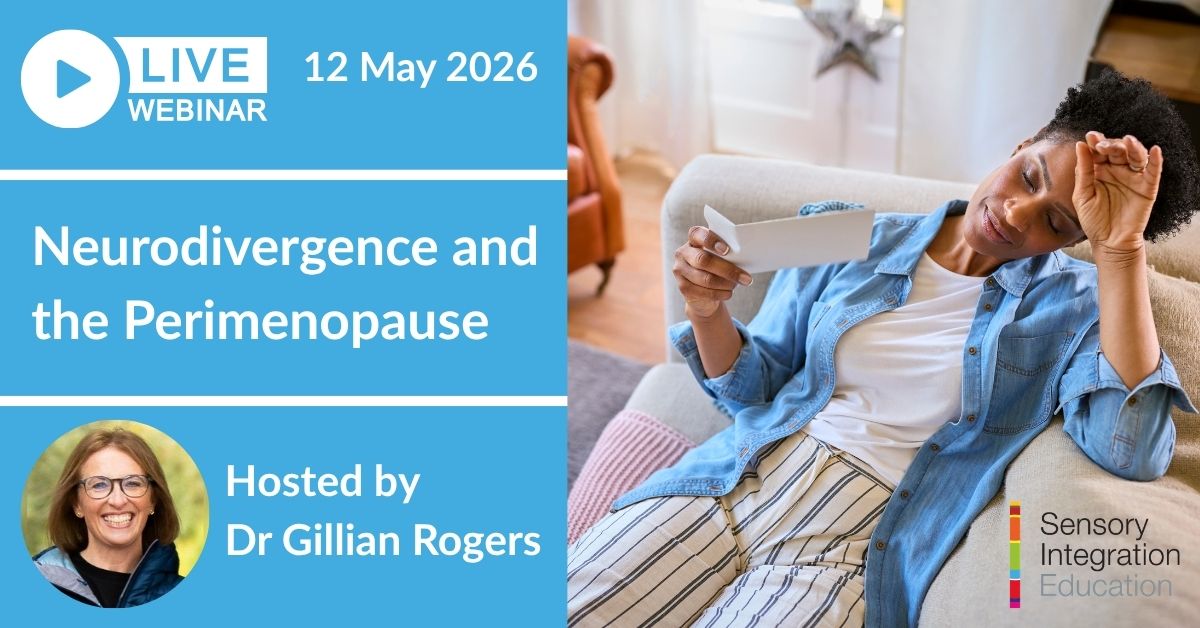
Our next live webinar on 12th May, 'Neurodivergence and the Perimenopause', will spotlight the often-overlooked impact of menopausal hormonal changes on neurodivergent individuals.
Menopause brings significant shifts in oestrogen levels, which can affect cognitive, emotional, and sensory processing. For neurodivergent adults, this can mean heightened noise sensitivity, tactile defensiveness, fatigue, sleep disruption, and reduced executive functioning. Many find that familiar coping strategies suddenly become less effective, impacting daily routines, work, and overall wellbeing.
Led by Dr Gillian Rogers, founder of Autism Arena, the session combines clinical expertise with lived experience. A former GP with a qualification in autism, Dr Rogers also draws on her perspective as a parent carer of autistic and neurodivergent children and her own neurological experience following a stroke. Attendees will gain a deeper understanding of the menopause–neurodivergence–sensory connection, alongside tools to better recognise neurodivergent characteristics, understand the neuro-endocrine system, and support clients through this transition.
This timely session offers valuable insight into a life stage that remains widely under-recognised in neurodivergent care.
Find out more and book your place here.
When the World Feels Too Much: Sensory Processing and the Perinatal Experience
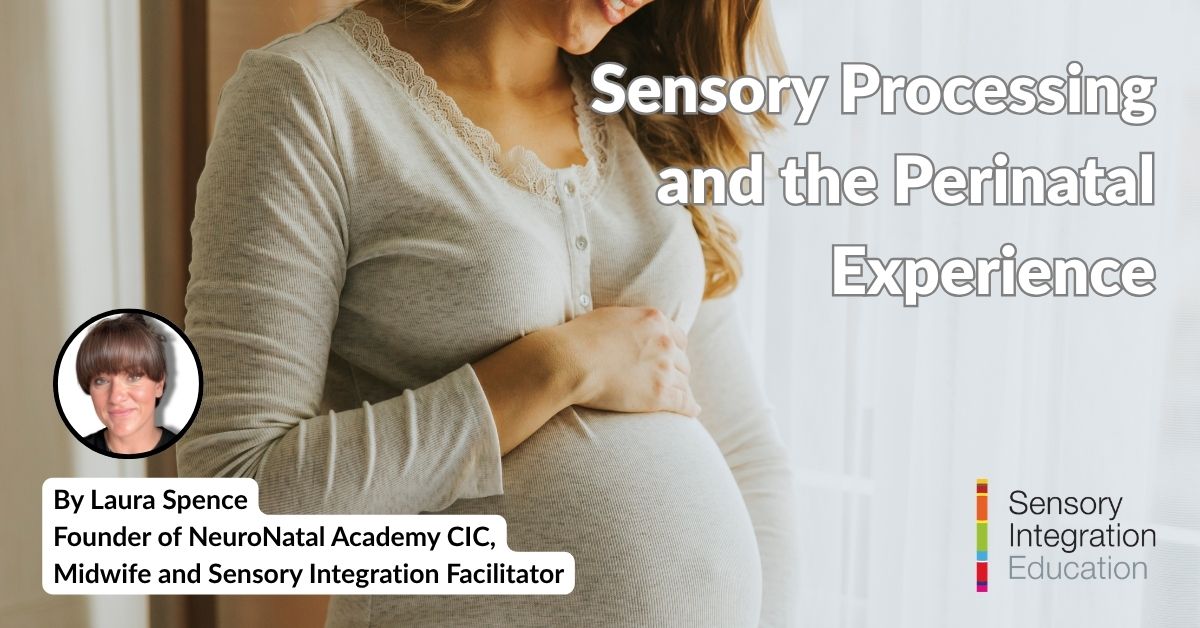
Written by Laura Spence, midwife, Sensory Inclusion Facilitator and Founder of NeuroNatal Academy CIC, this month's guest blog highlights an important and often overlooked perspective on pregnancy, exploring how hormonal changes can significantly alter sensory processing and, in turn, impact wellbeing, cognition, and daily functioning.
By connecting sensory processing with attention, regulation and the realities of maternity environments, Laura’s blog brings clarity to experiences many struggle to articulate. It also provides a hopeful, practical lens, showing how small, sensory-informed changes can make a meaningful difference. This is a valuable read for both parents-to-be and professionals supporting them.
Perimenopause and Sensory Processing Differences: Why Everything Feels Louder, Brighter, and More Overwhelming
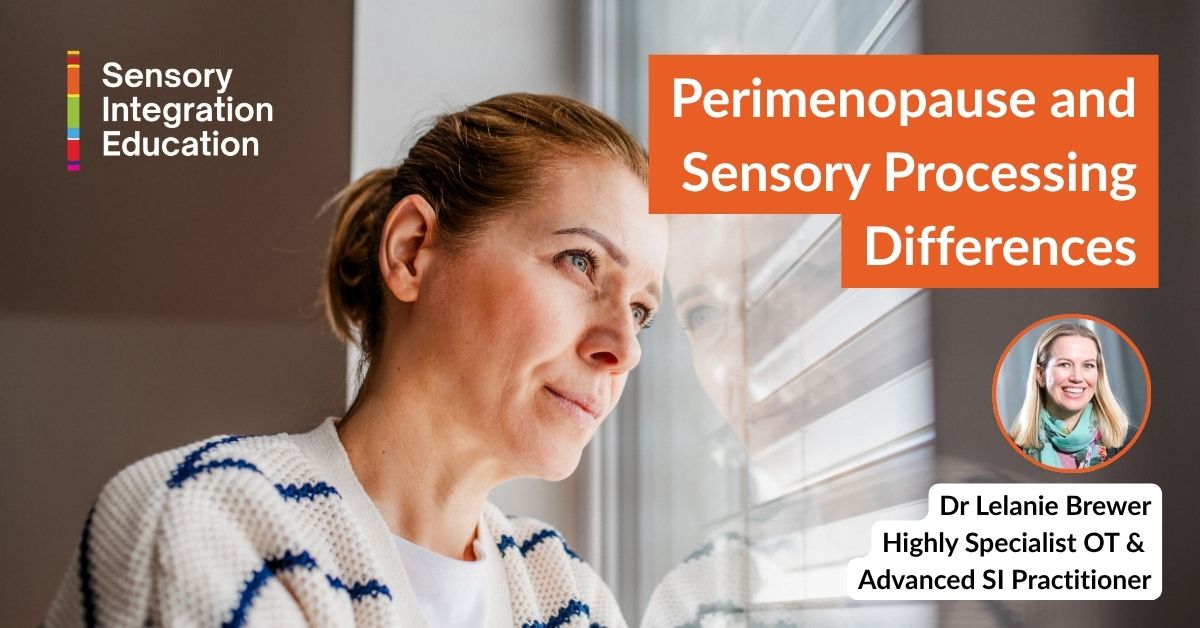
In her latest blog, Dr Lelanie Brewer explores why everyday environments can suddenly feel overwhelming during perimenopause, shedding light on a lesser-known but highly impactful experience: sensory overload. It clearly connects hormonal changes to shifts in sensory processing, helping us to understand why sounds seem louder, lights harsher, and even coordination can feel off.
Crucially, in this blog, Lelanie doesn’t just explain the “why” but also provides practical, compassionate strategies to manage overwhelm, making it an empowering and supportive read for anyone navigating perimenopause.
Understanding Sensory Processing and Periods
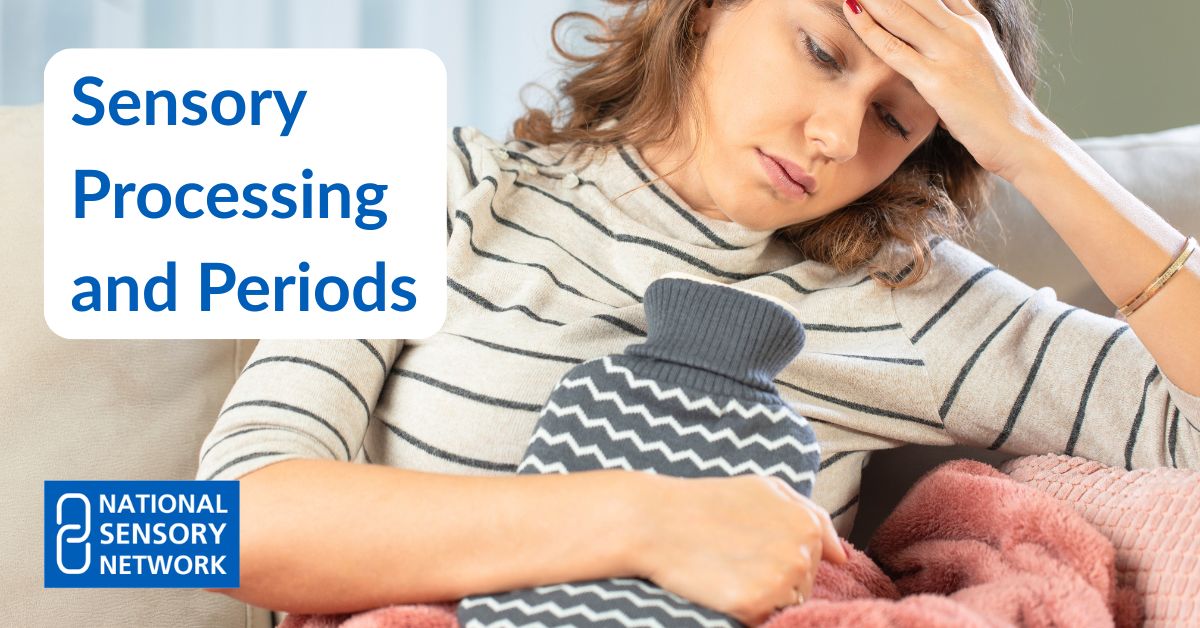
Sensory processing involves the way our brains receive, interpret, and respond to sensory information from the environment and our own bodies.
Published on our sister site National Sensory Network, this insightful article explores how hormonal fluctuations during the menstrual cycle can significantly impact sensory processing, leading to varied sensory experiences.
Developing a Teacher-OT Tool to Foster Collaborative Support for Student Self-Regulation in Primary Schools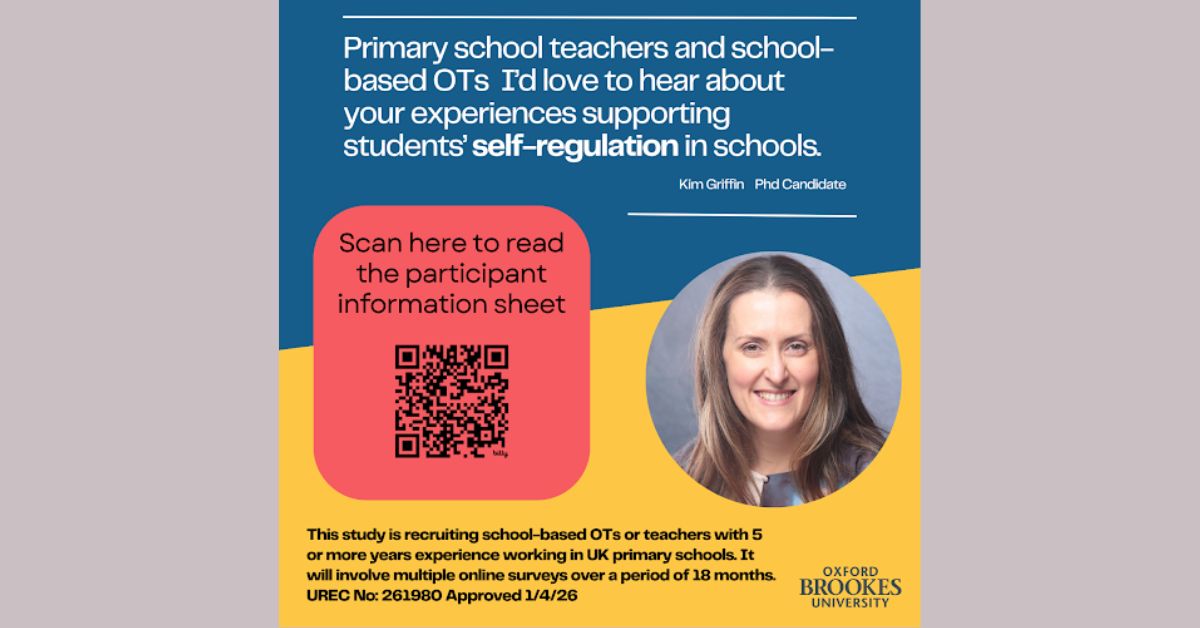
Could this research opportunity be relevant to you? For her PhD research, Children’s Occupational Therapist Kim Griffin is exploring how teachers and occupational therapists help students with self-regulation. Her study aims to create a tool that facilitates a joint understanding of self-regulation between teachers and occupational therapists.
Involvement in the study includes completing multiple questionnaires and the opportunity to join a focus group. This will take place outside of working hours. You can participate if you are a teacher or occupational therapist with 5 or more years of experience working in a UK primary school with your OT or teacher colleagues.
Find out more about the study here.
This study has been approved by the Oxford Brookes University Research Ethics Committee (UREC No. UREC 261980 1/4/26).
Also see:
Why So Many Women Discover They’re Neurodivergent at Menopause
Sensory Overload is a Surprising Perimenopause Symptom
Hormones, Autism, and ADHD: The Hidden Struggles of Neurodivergent Women
When Puberty Meets Autism: The Hidden Struggles of Autistic Girls
Virgin Atlantic to offer accredited Autism Awareness training for cabin crew
Trowbridge café provides sanctuary for neurodivergent women
Upcoming Courses and Webinars

We have a number of live webinars that take place throughout the year covering a broad range of SI-related topics. Below is a snapshot of webinars happening in the first few months of 2026 or click here to view a summary of all the upcoming live events.
All these webinars are available to you by signing up to our Lifelong Learning Programme or can be purchased as individual courses:
- Neurodivergence and the Perimenopause – 12 May 2026
- PANS/PANDA and Sensory Processing - 21 May 2026
- Cortical Visual Impairment and Sensory Integration – 15 June 2026
- PhD Research Update: Supporting Parents of Children with Sensory Processing Differences – 2 July 2026
- Sensory Focused Assessment to Drive Functional Outcomes: From Impact Statements to Goal Attainment – 14 July 2026
SI Research Digest

Below are links to the most popular sensory integration and sensory processing research papers and findings published on our social channels last month:
Autism, ADHD and the Menopause
Menopause can be especially challenging for neurodivergent people, particularly those who are autistic or have ADHD. Hormonal changes may intensify traits, increase daily difficulties, and worsen co-existing mental and physical health conditions. This article offers practical guidance for healthcare professionals on recognising these challenges, supporting patients effectively, and identifying those who may be undiagnosed.
Through a qualitative phenomenological approach, this study analyses how autistic women interpret their experiences, emphasising how delayed diagnosis and normative femininity shape self-concept, while neurodiversity-affirming perspectives facilitate self-acceptance and empowerment.
The Relationship Between Motor Development and ADHD: A Critical Review and Future Directions
Motor difficulties in ADHD are prevalent across development yet remain under recognised in explaining its aetiology and functional impact.
This new review synthesises behavioural and neurobiological evidence demonstrating that motor impairments emerging as early as infancy are closely linked to later attentional, executive, and academic outcomes. Rather than being secondary to executive dysfunction or solely attributable to comorbid conditions such as DCD, these findings suggest that motor and cognitive difficulties may co-emerge from shared developmental processes.
This new study found that anxiety in autistic adolescents may be influenced more by how they interpret their body’s signals than how accurately they detect them. Distressing beliefs about these signals were strongly linked to anxiety.
Review and Developmental Model: Early Childhood Emotion Regulation and Co-Regulation in Autism
This new paper breaks down what we do and still don’t know about how young children with autism navigate emotions, and how parents support them along the way.
It introduces a fresh framework showing how autism-specific challenges can affect parent-child emotional interactions, sometimes making it harder to build coping strategies together.
This perspective could shape future research and improve clinical support for families.
Resources
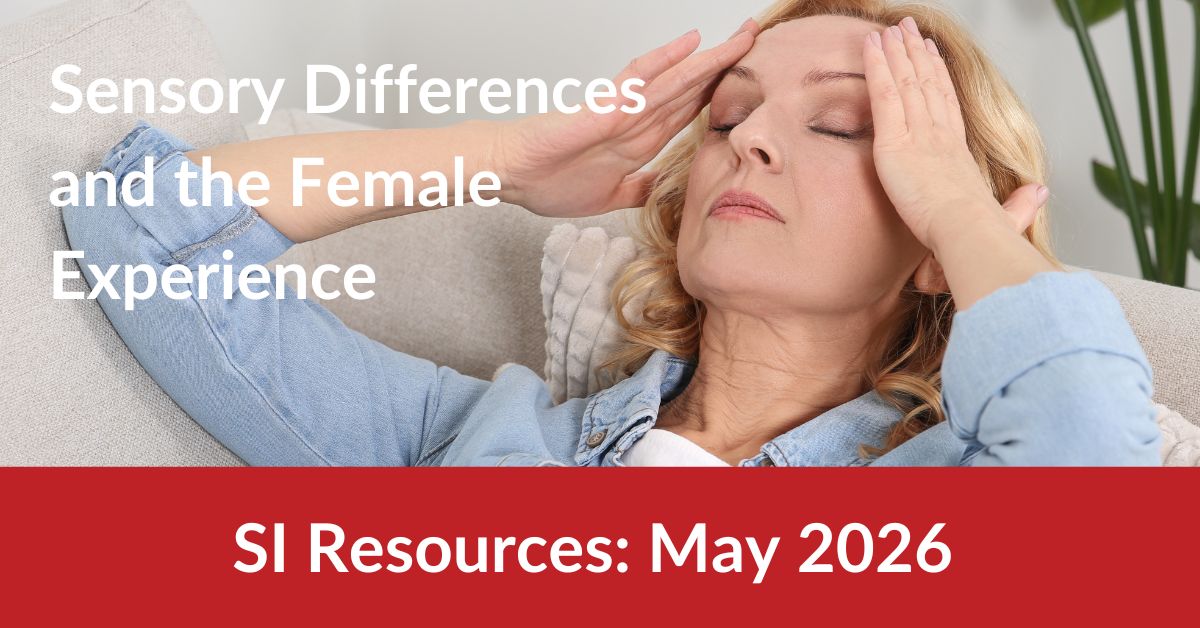
Take a look at our books and product recommendations for this month:
The Cola Bottle Girl: A Guide to High-Masking Autistic Girls: Written by a mum of three autistic children, this book is a warm, honest, and practical guide to understanding high-masking autistic girls. Many autistic girls learn to mask from a young age, copying others, rehearsing conversations, and hiding their struggles just to fit in. On the outside, they appear to cope. On the inside, they are overwhelmed. This book shares real-life experiences alongside simple, supportive strategies to help you better understand your child and what she is going through.
The Autism-Friendly Guide to Pregnancy, Birth and the Fourth Trimester: Written by autistic researcher Dr Aimee Grant, this useful guide interweaves advice from autistic pregnant people and registered midwives to answer questions on being an autistic pregnant person.
The dip-in-dip-out format provides an easy-to-navigate exploration into sensory overwhelm, managing demanding medical appointments, navigating being a new parent and everything in between. There are also QR codes to informative YouTube videos throughout and downloadable materials, including birth plans, to help support you in navigating your journey.
Menopause and ADHD - How to navigate hormone flux and neurodivergence: Navigating menopause can be challenging for any woman, but for those with ADHD, the experience can feel like a bomb has gone off in their life. Due to be released on 14 May and written by Dr Helen Wall, a GP with years of experience advocating for women, this book is the ultimate guide to understanding how hormones may influence women with ADHD – and how ADHD impacts how perimenopause lands for them, empowering them to take charge of their well-being through this period of hormonal challenge.
Autistic Menopause: A Guide to the Menopausal Transition for Autistic People and those Supporting Them: Written by Dr. Rachel Moseley, who is autistic herself, and Professor Julie Gamble-Turner, who has personal experience of the menopause, this book draws on the powerful voices of sixteen autistic experts, Chapters cover everything from understanding why being autistic will affect a woman’s experience of the menopause to advice about finding the strategies that work and seeking help. Readers will learn how the menopause can cause changes to emotions, attention and memory as well as affect things like sensory issues, masking and communication. The book highlights tools to manage changes effectively and, most importantly, provides reassurance that autistic women going through the menopause are not alone.
AuDHD Women: Navigating Life After Late Discovery: A Compassionate Guide to Living with Autism and ADHD: This isn’t a clinical textbook but a warm, practical companion for women who have spent years masking, people-pleasing or pushing through burnout. Inside you’ll learn: what Autism + ADHD (AuDHD) really looks like in women; how traits like masking, sensory overwhelm, emotional intensity, and executive dysfunction actually show up day-to-day; the truth about burnout, meltdown cycles, and why rest is not optional; routines and regulation strategies that work with your brain, not against it; parenting with AuDHD; and advocating for yourself in a neurotypical world.
Soft & Snuggly Tactile Weighted Lap Pad: This lap pad is designed to apply calming deep pressure to the lap, upper legs, hips or pelvis whilst the user is sitting down. The weight is provided by plastic beads that mould themselves to the body or legs. They are sewn into small individual cells within the durable polycotton inner lining for additional strength and comfort. The user experiences the deep pressure from the weight of the Lap Pad which has a calming effect helping attention span, reducing excessive fidgeting and easing anxiety.
The Menopause Positivity Planner: This planner has been designed to help women embrace their menopause with optimism; feeling prepared, empowered and positive about what comes next. It combines coaching exercises and coping strategies as well as monthly symptom and mood trackers to help women spot patterns and advocate for themselves with their GP. It also has 12 weeks of daily journaling space to reflect on the positives from the day and prompts to help focus on gratitude and prioritising women’s needs and their emotional wellbeing.
Discounts & Special Offers

Please quote DISCOUNT CODE SIE20 for 10% discount on Southpaw orders up to £100. Orders must be placed by phone on +44 (0) 115 718 0020.
Would you like to receive EmphaSIze: The Sensory Integration Newsletter in your inbox? JOIN SIE FREE TODAY
Best wishes,
Sensory Integration Education
NB: Sensory Integration Education is not responsible for the content on external websites. Sharing a resource does not imply endorsement by Sensory Integration Education.
