
EmphaSIze August 2026: The Power of Play
By Sensory Integration Education, 5th August 2026
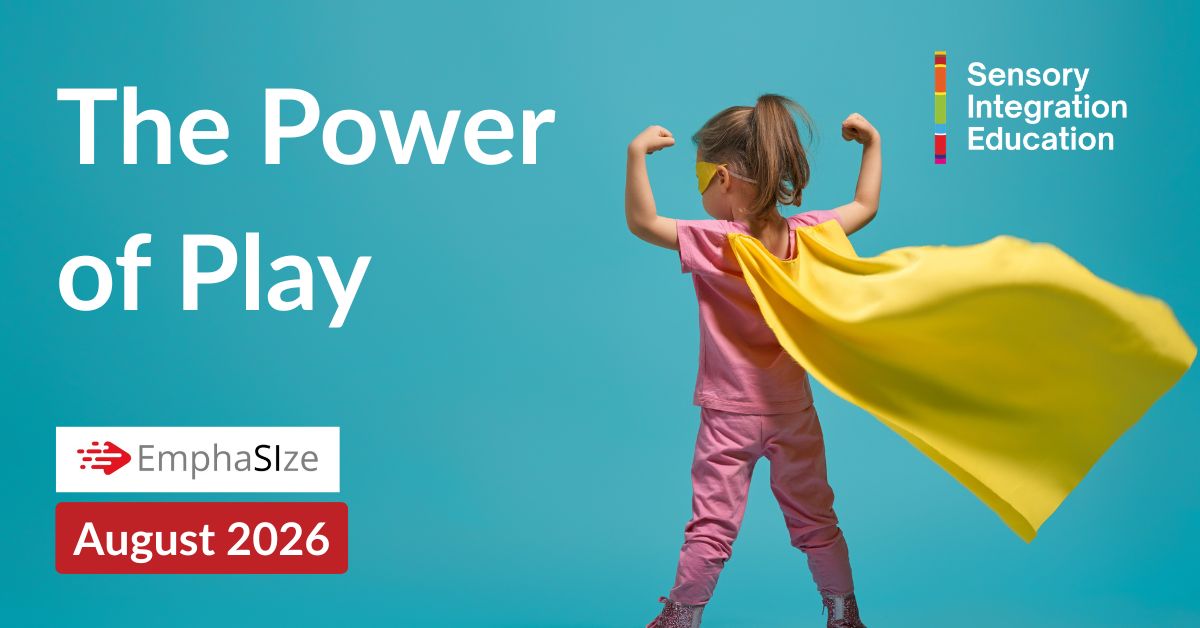
Welcome to the August edition of EmphaSIze. This month we're celebrating the importance of play and exploring how play and sensory play support learning, development and wellbeing in our lives.
Today also happens to be Playday – the UK's national day for play. This year's campaign is shining a spotlight on the importance of creating inclusive, welcoming spaces where children and young people of all ages and abilities can play freely, feel part of their communities and simply enjoy being children. This month's guest blog from Gympanzees is a must-read and a timely reminder that every child has the right to play and that the environments we create can make all the difference in helping them grow, thrive and belong.
While we often associate play with childhood, its benefits extend well beyond the early years. Play continues to support our physical and mental wellbeing throughout adulthood, helping us reduce stress, spark creativity, strengthen relationships and reconnect with the joy of exploring, creating and moving.
In this month's issue, we've brought together a range of articles, practical resources and professional insights that explore play through a sensory lens. We hope you'll find plenty of inspiration to help champion the value of play in everyday life.
Also be sure to catch up on all the latest news regarding our free Sensory Inclusion Summit (see news article below) and book your place today!
Happy reading!
News & Features
Play Without Barriers: Creating Sensory Inclusive Spaces Where Every Child Can Thrive
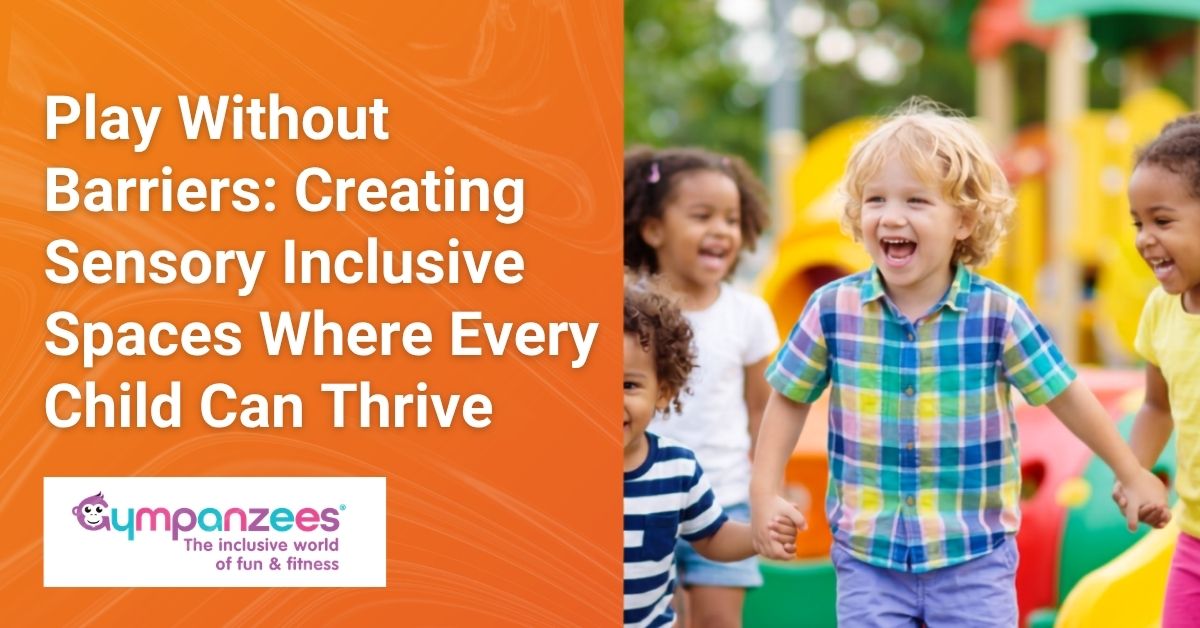
What if every child had the opportunity to experience the joy, freedom and developmental benefits of play in a space designed with their needs in mind?
In this month's inspiring guest blog, the team at UK-based charity Gympanzees explores why sensory-inclusive play is about far more than accessibility. They explain how thoughtful, inclusive environments can help disabled and neurodivergent children build confidence, develop new skills, form friendships and experience a true sense of belonging.
The blog also shares the remarkable journey Gympanzees has been on - from its first Pop Up in 2018 to the opening of the UK's first fully inclusive exercise, play and leisure centre in 2027. Along the way, the team reflects on how SIE's Sensory Inclusion training has helped shape their understanding of sensory processing, enabling them to create environments where every child is welcomed, supported and able to thrive.
Read the full blog and discover how sensory-inclusive design can transform lives.
Applications Close Soon: Take the First Step Towards Becoming a Sensory Integration Practitioner
If you're ready to take the next step in your professional development, now is the time to apply for Module A: Foundations of Sensory Integration – the first step on SIE's postgraduate pathway towards qualifying as a Sensory Integration Practitioner. Applications close on Friday 28 August.
Accredited through Sheffield Hallam University and designed for busy professionals, the programme combines flexible online learning with expert tutor support, eMentoring and peer collaboration. Module A delivers a strong understanding of sensory integration theory, neuroscience, sensory processing and clinical reasoning, enabling you to apply evidence-informed approaches with confidence in everyday practice. Find out more here.
We also know postgraduate study is a significant investment, which is why a range of funding options and interest-free payment plans are available, along with downloadable templates we’ve put together to help you request employer funding or NHS funding. If you've been considering advancing your knowledge and making a greater impact in your practice, don't miss this opportunity to join the next cohort.
Discover the Sensory Benefits of Outdoor Play at Every Stage of Life

In her latest blog, Dr Lelanie Brewer reminds us that the benefits of outdoor play extend far beyond childhood.
Nature provides a rich sensory environment that supports physical health, emotional wellbeing, learning and social connection throughout every stage of life. From babies exploring different textures and developing motor skills, to teenagers taking a healthy break from screens, adults reducing stress, and older adults maintaining mobility and independence, spending time outdoors offers valuable opportunities to engage the senses and support overall wellbeing.
Whether it's a walk in the park, gardening or simply listening to birdsong, discover why outdoor play is one of the simplest and most effective ways to nurture body and mind at any age.
Book Your Free Place at this year's Sensory Inclusion Summit!
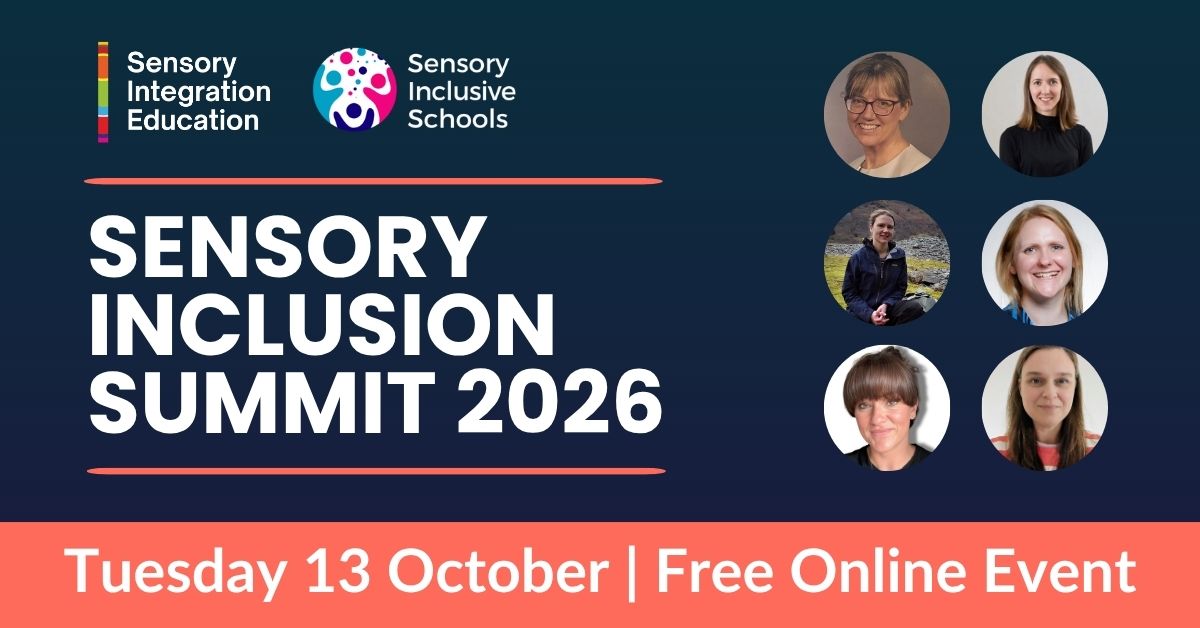
What if changing the environment could transform participation?
Join us for our FREE Sensory Inclusion Summit 2026 on 13th October and discover how simple, practical environmental adaptations can help more people feel safe, connected and able to thrive.
This year's theme, Changing Environments, Enabling Participation, brings together leading voices from education, health and social care to share the latest research, real-world practice and lived experience. Every session is packed with practical ideas you can apply immediately – from creating sensory-friendly spaces and supporting transitions to reducing sensory barriers and promoting meaningful participation.
Whether you're a therapist, teacher, SENCO, early years practitioner, psychologist, social worker or healthcare professional, this inspiring online event will equip you with fresh ideas to create more sensory inclusive environments.
Places are free, but don't miss out. Explore the speaker line-up and register today to be part of the conversation that's helping shape more inclusive environments for everyone.
Thoughts from a Therapist: Are Schools Allergic to the Word 'Play'?

As she celebrates five years of her popular Thoughts from a Therapist blog series, occupational therapist Anna Willis turns her attention to a subject that has shaped both her career and clinical practice: play.
In this thought-provoking blog, Anna reflects on why play—despite being fundamental to children's learning, development and wellbeing—often seems to disappear from the language of education once children enter primary school. Drawing on research, professional experience and current education policy, she explores the value of play in therapy, questions long-held assumptions about its place in schools and considers whether Key Stage 1 could benefit from a more play-based approach.
A timely and engaging read for therapists, educators and anyone passionate about supporting children's development.
Make Summer More Sensory-Friendly with Our Free Sensory Survival Kit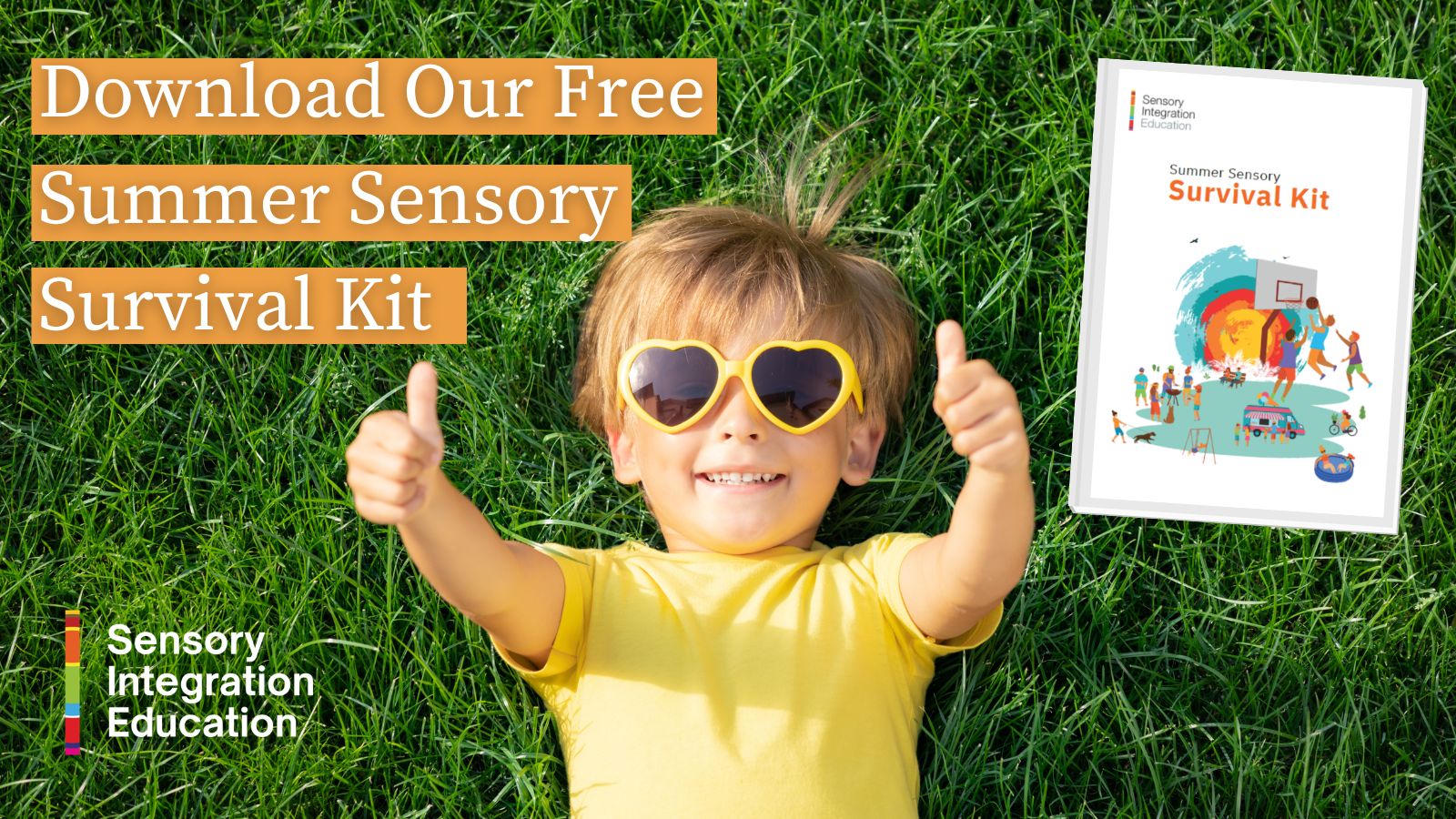
Summer brings plenty of opportunities for fun, adventure and relaxation – but it can also present unique sensory challenges. Changes in weather, longer daylight hours, disrupted routines, outdoor eating, travel, and unfamiliar holiday accommodation can all impact those with sensory processing differences.
Our free Summer Sensory Survival Kit is packed with practical tips, strategies and ideas to help make the season more enjoyable and manageable. From navigating summer foods and outdoor dining to travel tips, regulating energy levels, and surviving the school holidays, you'll find plenty of sensory-informed information to help the children and families you support thrive this summer.
Download your free copy today and get ready for a more sensory-friendly summer.
Also see:
Giggs launches fundraiser to open school for neurodivergent children
Diverse Abilities running summer sessions at PMLD (Profound and Multiple Learning Disabilities) Club
South Yorkshire mum launches free SEND activities website just in time for school holidays
Festival zone eases children's sensory stress
Sheffield coach aims to break down barriers with new coaching session for neurodivergent children
Upcoming Courses and Webinars

We have a number of live webinars that take place throughout the year covering a broad range of SI-related topics. Below is a snapshot of webinars happening in the first few months of 2026 or click here to view a summary of all the upcoming live events.
All these webinars are available to you by signing up to our Lifelong Learning Programme or can be purchased as individual courses:
- Designing ASI Spaces – 8 September 2026
- Interoception and Developmental Trauma - 24 September 2026
- From Research to Practice: Enhancing Parent Education in Sensory-based Practice - 8 October 2026
- Autism, Sensory Processing and Eating Disorders - 2 Nov 2026
- Framing Sensory Integration in Dementia Care – 11 November 2026
Plan Your CPD This Summer with SIE’s Lifelong Learning Webinar Replay Offer
Coming up this month we have our popular LLP Webinar Replay Month where all LLP members will have the opportunity to revisit some of the most popular webinars from the first half of the year—or catch up on sessions they may have missed.
It’s the perfect opportunity to refresh your knowledge, revisit key concepts and continue your professional development at your own pace. Simply login into your dashboard at the start of August and search 'Summer CPD'!
Find out what’s included in the SIE Lifelong Learning Webinar Replay Offer.
SI Research Digest
Below are links to the most popular sensory integration and sensory processing research papers and findings published on our social channels last month:
New qualitative research exploring infant feeding experiences in autistic and non-autistic children found notable differences during the first year of life. Maternal interviews identified challenges related to bottle feeding, cup use and the introduction and progression of complementary foods in autistic infants.
These early feeding patterns may reflect emerging neurodevelopmental differences, including sensory processing, communication, and behavioural characteristics associated with autism. The findings contribute to a growing evidence base on the early developmental presentation of autism.
This new study examined sensory processing, proprioception, plantar pressure distribution, and distal lower extremity variables in children with idiopathic toe walking (ITW) compared with typically developing peers. Children with ITW demonstrated altered sensory processing profiles, greater proprioceptive error, and region-specific differences in forefoot plantar loading. The observed associations between proprioceptive function and plantar loading patterns support a multidimensional sensory-motor model of ITW, highlighting the importance of integrating sensory assessment into clinical evaluation and intervention planning.
These findings contribute to the growing evidence that ITW extends beyond a purely musculoskeletal presentation and may involve underlying sensory-motor mechanisms.
Findings from this new study indicate that sensory sensitivities are a key determinant of both sexual and non-sexual affectionate experiences in autistic individuals, mediated by dynamic sensory thresholds, multimodal environmental inputs, and interpersonal adaptation. Partner responsiveness, including predictability, explicit communication, accommodation of sensory needs, and interpretation of withdrawal as self-regulatory behaviour rather than rejection, was associated with more positive relational outcomes.
These findings underscore the need for sensory-informed, neurodiversity-affirming frameworks in clinical, educational, and policy contexts, moving beyond deficit-oriented models to better support autistic individuals and intimate relationships.
Motor milestone attainment alone may not fully capture early motor development in preterm infants. In this new study, movement quality demonstrated distinct longitudinal associations with motor milestone attainment and differentiated extremely-to-very preterm infants from moderate-to-late preterm infants at earlier time points. These findings support the inclusion of movement quality assessments in developmental surveillance to improve the early identification of subtle motor difficulties and inform timely intervention.
Resources
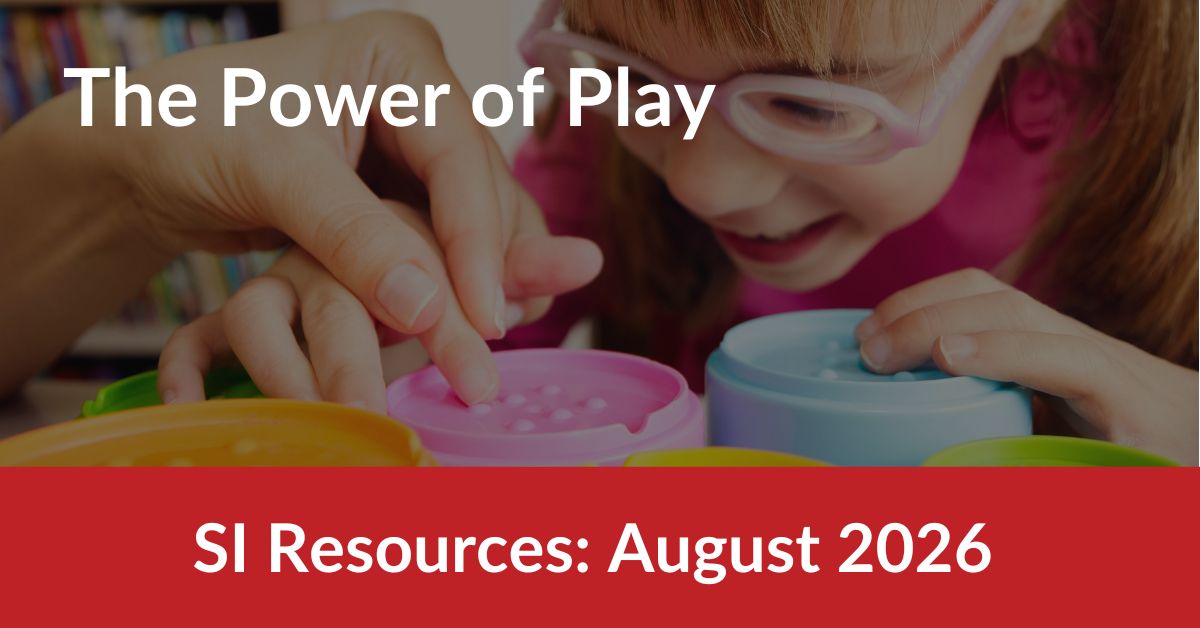
Take a look at our books and product recommendations for this month:
Michael Rosen's Book of Play: Why play really matters, and 101 ways to get more of it in your life: Today, we don't get nearly enough play in our lives. At school, children are drilled on exams, while at home we're all glued to our phones and screens. Former children's laureate and bestselling author, Michael Rosen, is here to show us how to put this right - and why it matters so much for creativity, resilience and much more. Packed with silliness, activities and prompts for creative indoor and outdoor play for all ages, this book includes specially illustrated pages for everything from doodling to word play and after-dinner games.
Why We Play: How to find joy and meaning in everyday life: As children, playing is how we make sense of the world and our place in it. Why then, as adults, do we forget how to play? Drawing on over twenty years of neuroscientific research, psychotherapist Joanna Fortune has discovered that play is the key to living a happier and more meaningful life. She shares the social, emotional, and physical health benefits of why it's so good for us, including how to practice micro moments of joy to boost positive mood; Find the fun in your everyday to alleviate stress; and nurture a holiday state of mind to rest your brain and recharge.
A Good Day Colour & Conversation Activity Book for Dementia: Designed for people living with dementia, Alzheimer's and memory loss, this activity book supports calm engagement and meaningful shared time for individuals, families and carers. It offers a variety of supportive activities including calming colouring pages, large-print word searches, short poems and thoughtful conversation prompts to support connection, reminiscence and everyday wellbeing.
Inspire My PLAY - 30 x Sensory Play Activity Cards for 6-36 Months: A thoughtfully curated set of 30 double-sided activity cards designed for babies and toddlers aged 6 months to 3 years. Each activity introduces little ones to safe, sensory-rich play that supports early learning and development. Each card clearly lists the developmental skills it supports and encourages curiosity, fine motor skills, hand-eye coordination, and sensory awareness through playful, hands-on discovery.
tickit Touch & Match Board: This tactile matching game includes 12 textured wooden counters and a sturdy wooden board, perfect for sensory exploration and fun. It helps children develop hand-eye coordination and motor skills as they match and place counters in their designated spots on the board. It also encourages children’s descriptive language skills as they identify and describe textures, promoting learning through play.
Discounts & Special Offers

Please quote DISCOUNT CODE SIE20 for 10% discount on Southpaw orders up to £100. Orders must be placed by phone on +44 (0) 115 718 0020.
Would you like to receive EmphaSIze: The Sensory Integration Newsletter in your inbox? JOIN SIE FREE TODAY
Best wishes,
Sensory Integration Education
NB: Sensory Integration Education is not responsible for the content on external websites. Sharing a resource does not imply endorsement by Sensory Integration Education.
